Clear vs Permanent Retainers: Which One Prevents Teeth Crowding Best?

Getting your braces off or finishing aligners feels like a big win. Your teeth look great, your smile feels fresh, and you’re ready to enjoy the results. Then reality shows up. Teeth can slowly drift after treatment, even when everything looks perfect at the end. That’s where retainers come in. If you’re stuck choosing between a clear, removable retainer and a bonded wire that stays in place, you’re asking a smart question. Let's examine how each option functions, identify what truly prevents crowding, and determine which option best suits your long-term dental routine.
Why Retainers Are Essential After Orthodontic Treatment
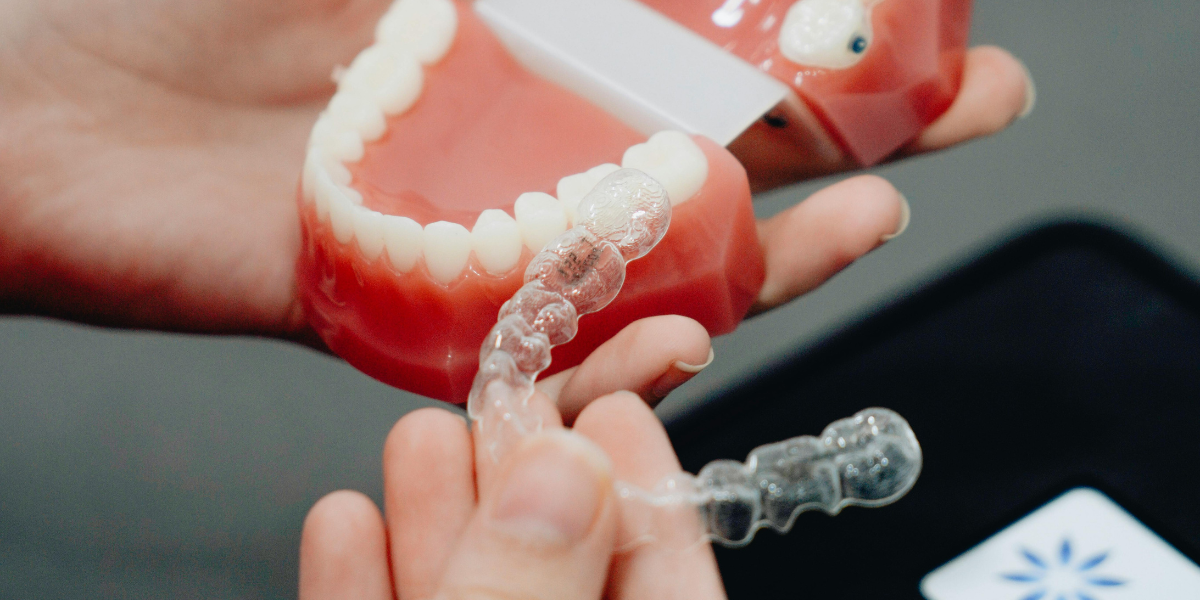
Once treatment ends, your teeth and bite are still settling. This section explains why retention matters and how it protects the smile you worked hard to achieve.
How Teeth Shift After Braces or Aligners
After braces or aligner treatment, your teeth can still move because the tissues around them need time to firm up in their new positions. Everyday forces like chewing, nighttime grinding, and tongue pressure can gradually nudge teeth out of place. That early period after treatment is when shifting often happens fastest. Knowing why relapse occurs helps you take the retainer phase seriously and avoid the frustration of seeing old crowding creep back
Types Of Orthodontic Retainers
There are different orthodontic retainers, but they generally fall into two groups: removable and fixed. Removable retainers, like clear trays, come out for meals and brushing. Fixed retainers are bonded behind the teeth and stay put day and night. The right choice depends on where your teeth used to crowd, how consistent you are with routines, and how comfortable you feel keeping up with cleaning.
How Retainers Prevent Teeth Crowding
Think of retainers for teeth as the support system that holds your alignment steady while everything settles. They keep spacing from collapsing, help prevent rotations from returning, and reduce the chance of bite changes over time. The front teeth are especially prone to shifting, which is why retainers matter even when your smile looks "done." When you wear and care for them properly, retainers help turn a finished treatment into lasting results.
Clear Retainers: How They Work
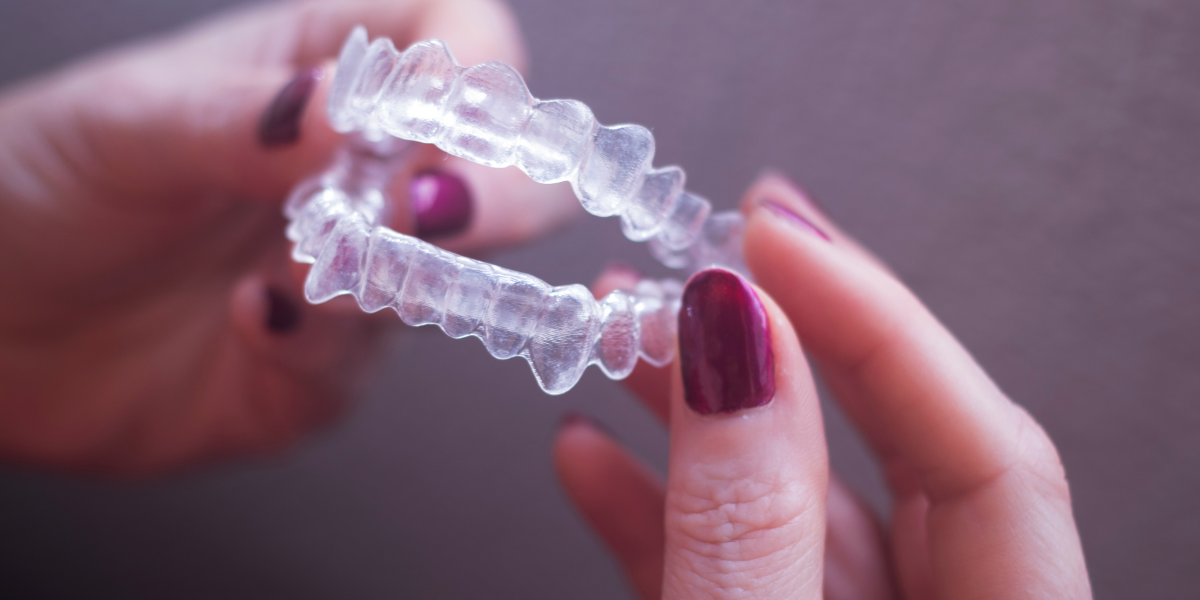
Clear retainers are a go-to choice for people who want something discreet and easy to remove. Here’s what they’re made of, what they do well, and what to watch for.
What Clear Retainers Are Made Of
The most clear retainers are custom plastic trays created from a digital scan or impression of your teeth. They fit snugly, wrapping around the teeth to stop small shifts and rotations. Because the fit is so precise, a retainer that suddenly feels tight can be a clue that your teeth have moved a bit. Keeping it in a case and away from heat helps it hold its shape and stay comfortable.
Benefits Of Clear Retainers
People love clear trays because they blend in and feel simple to live with. You can take them out to eat and brush and floss, which keeps your normal hygiene routine straightforward. Many adults who finish Invisalign treatment in Paramus like the familiar feel of a tray retainer and the fact that it doesn’t draw attention. For someone who can stick to a routine, clear retainers can work very well for long-term stability.
Potential Limitations
Removable retainers rely on one thing: you actually wearing them. If they sit in a case for days, they can’t hold your teeth in place. Clear trays can crack or warp if left in heat or disappear if they get wrapped in a napkin at a restaurant. If you grind your teeth, they may wear down faster, too. A steady habit and regular replacements when needed help keep this option working as intended.
Permanent Retainers: How They Work
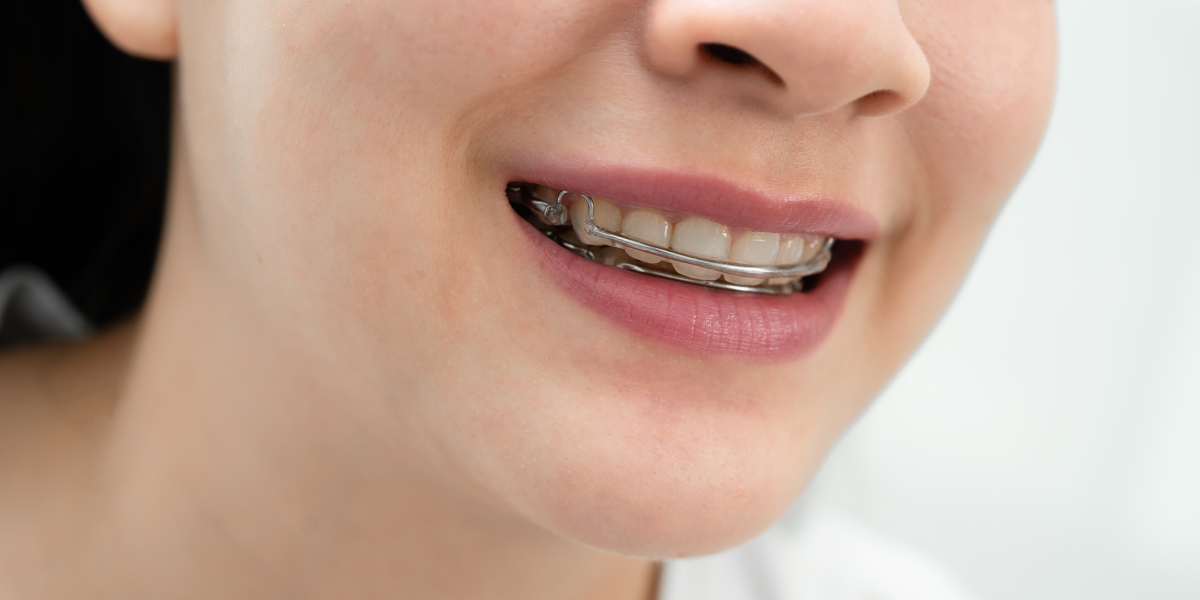
Permanent retainers are often chosen for teeth that have a strong tendency to shift. They stay in place full-time, but they come with their own care routine.
What Permanent Retainers Are
Permanent retainers are thin wires bonded behind the front teeth, often on the lower teeth and sometimes on the upper front teeth as well. They stay hidden behind your smile, so you won’t see them when you talk or laugh. Their job is to stabilise the teeth that commonly crowd against each other over time. In many cases, a bonded wire is paired with a removable retainer to support the entire arch.
Benefits Of Permanent Retainers
A bonded retainer keeps working all day and all night. That’s a big relief for anyone who worries they’ll forget to wear a removable retainer regularly. It can be especially helpful for lower front teeth, where late crowding is common. In higher-risk situations, a provider known as the best orthodontist near me may suggest fixed retention to give those teeth steady support year-round.
Possible Drawbacks
Cleaning takes extra effort with a bonded wire because plaque and tartar can build up around it if you rush through brushing and flossing. Many people use floss threaders or a water flosser to help. The wire can loosen or break occasionally, particularly if you bite into hard foods. When that happens, getting it repaired quickly matters, since a loose section can allow teeth to drift.
Clear vs Permanent Retainers: Which Prevents Crowding Better?
Both choices can do a great job. The best fit depends on your daily habits, your comfort level with cleaning, and how likely your teeth are to relapse.
Effectiveness in Preventing Teeth Movement
Bonded wires are consistent because they don’t depend on memory or motivation. That can be a big advantage for preventing the classic lower-front crowding that can show up with age. Clear trays can be just as effective when worn exactly as directed, especially when holding the full arch. In real life, success usually comes down to which option you’ll keep up with year after year.
Lifestyle and Comfort Considerations
Removable trays tend to feel easy for many people since they come out for meals and cleaning. Fixed retainers stay out of the way, but they do require careful flossing and regular checkups. If you’ve been searching for an orthodontist near me, it helps to talk openly about your routine. Do you travel often? Do you struggle with flossing? Do you grind your teeth? Those details can point you towards the option you’ll tolerate best long-term.
Long-Term Maintenance
Long-term retention works best when you treat it like part of your routine, not an occasional task. With clear trays, that means gentle daily cleaning, safe storage, and swapping them out once they’re worn or no longer fit well. With bonded retainers, maintenance means thorough cleaning and having the wire checked periodically to confirm it’s intact and doing its job. Small issues are much easier to fix when caught early.
How Orthodontists Decide Which Retainer Is Best

There isn’t a single retainer that works perfectly for every person. Orthodontists look at your specific history and design a plan that you can actually follow.
Factors That Influence Retainer Choice
Your starting point matters. If you had significant crowding, certain teeth may be more likely to shift again. Age can play a role, too, since natural changes over time can affect alignment. Your cleaning habits matter as well, especially with bonded wires. Orthodontists also consider how your teeth responded during treatment and what your bite looks like now, since stability is different for every smile.
Personalised Orthodontic Planning
A thoughtful plan often starts with digital scans and a close look at where relapse is most likely. A trusted orthodontist in Paramus can recommend a tailored approach, sometimes using different strategies for upper and lower teeth. Some patients do best with a bonded retainer for the front teeth plus a clear retainer worn at night for full-arch support. The goal is a setup that feels comfortable and holds up over time.
The Importance Of Follow-Up Visits
Retention needs check-ins. Retainers can wear out, loosen, or stop fitting correctly without obvious signs at first. Follow-up visits let your orthodontic team confirm everything still fits the way it should and catch early movement before it becomes visible. That ongoing guidance is a key part of strong orthodontic care in Paramus, especially for patients who want to keep their smile stable for years.
How We Help Patients Maintain Straight Smiles At Paramus Orthodontics

At Paramus Orthodontics, we take retention seriously because we know how much work goes into getting a straight smile. The plan doesn’t end on the day treatment finishes.
Our Personalised Retainer Approach
After treatment, we review your alignment, bite, and risk for shifting. Then we recommend the retention option that fits your needs, whether that’s clear, bonded, or a combination. If you finished treatment recently and feel unsure about what comes next, we can walk you through the plan in plain language. The goal is for you to leave with confidence and a retainer routine you can stick with.
Orthodontic Solutions For Children, Teens, And Adults
We care for kids, teens, and adults, and we tailor treatment to each stage of life. That includes early evaluations, braces and aligners, and retention planning from the start, so there are no surprises later. If you’re exploring alignment options for yourself or your child, we can talk through timelines, comfort, and what retention will look like after active treatment ends.
Ongoing Support For Long-Term Results
We encourage follow-up visits so we can monitor fit and stability over time. If a retainer feels tight, a wire comes loose, or you notice shifting, you don’t have to guess what to do next. Reach out, and we’ll help you get back on track quickly. That kind of steady support is how we help patients protect their results long after treatment.
Conclusion
Clear and bonded retainers can both prevent crowding when used and maintained properly. Clear trays offer a low-profile option that’s easy to remove and clean, while bonded wires provide steady support in areas that tend to relapse. Many people do best with a plan that combines both, depending on their history and habits. If you’re worried your teeth are shifting, if your retainer no longer fits, or if you want a personalised recommendation, contact our office and talk with our team. We’ll help you choose the right path, answer your questions clearly, and help you keep your smile looking great for the long term.