Jaw pain can ruin your day in a hurry. Eating, talking, yawning, and even smiling can feel sore or tight. If you are considering clear aligners, you may worry that Invisalign could worsen jaw pain. That is a fair question. Aligners slowly change how your teeth fit together, and that can affect your jaw joint and muscles. A careful bite and TMJ check before you start is a smart step. This guide explains what to expect, what is normal, what is not, and when to call an orthodontist for help.
Understanding Jaw Pain And TMD
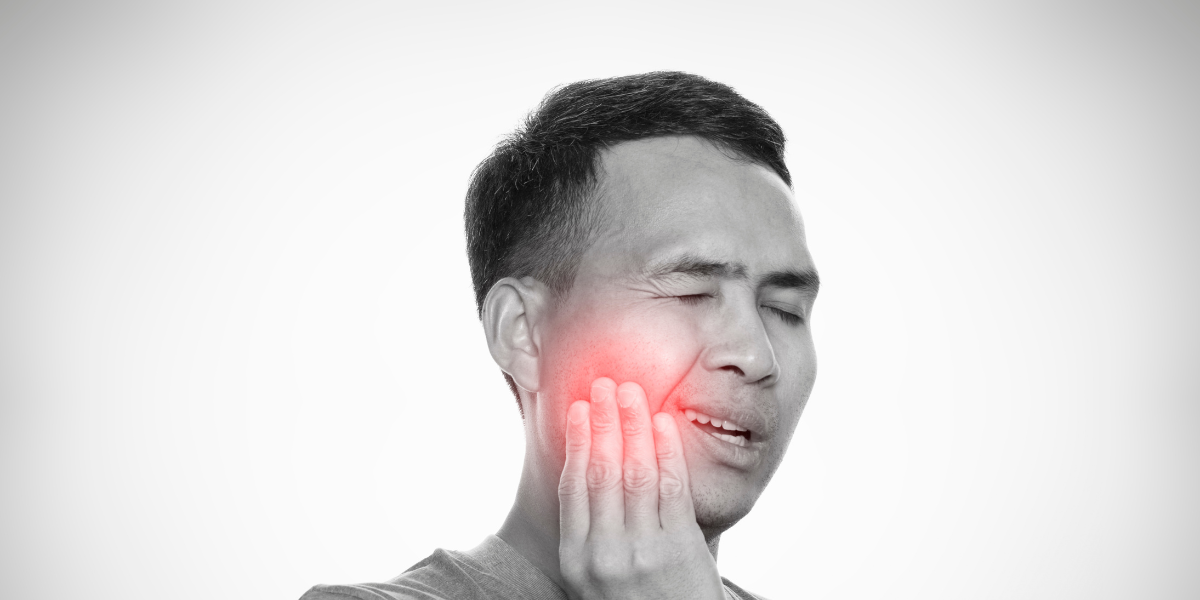
Jaw pain can come from muscles, joints, teeth, or habits like clenching. TMD refers to problems in the jaw joint area. If you searched for an orthodontist near me, you are not alone. Many people want to know if their bite is part of the problem.
What Is The Temporomandibular Joint (TMJ)?
The TMJ is the joint that links your skull to your jaw. It helps you chew, speak, and open your mouth. When your bite is uneven, your jaw may shift each time you close. That can strain the joint and jaw muscles. Over time, this may lead to pain or tightness. A visit for orthodontic care in Paramus can help find bite issues that may stress the TMJ.
Common Symptoms Of TMD
TMD symptoms can include jaw pain, jaw tightness, and soreness when chewing. Some people hear clicking or popping when they open. Others get headaches, face pain, or ear pressure. It can be hard to tell the difference between normal tooth movement soreness and a TMJ problem. If you feel Invisalign jaw pain, it is worth tracking when it happens and how long it lasts.
Orthodontic Issues That Can Contribute To Jaw Pain
Some bite problems can raise the risk of jaw pain. Overbite, underbite, and crossbite can cause uneven pressure. Crowded teeth can also lead to poor bite contact. These issues can make the jaw work harder. That is one reason people search orthodontist near me when jaw pain starts. Fixing bite problems can help some patients feel better.
How Invisalign Works

Invisalign moves teeth with a series of clear trays. Each tray shifts teeth a small amount. As teeth move, your bite changes too. The goal is a stable, comfortable bite.
What Is Invisalign Treatment?
Invisalign treatment uses clear trays to guide teeth into better positions. Trays are made from digital scans and a 3D plan. Most patients change trays every 7 to 15 days. During clear aligner treatment, your orthodontist checks that your teeth are moving well and that your bite stays on track.
Invisalign Vs. Traditional Braces
Invisalign and braces can both address many bite problems and straighten teeth. Aligners are removable and smooth. Braces stay on and can be stronger for some complex moves. If you are deciding between braces in Paramus and aligners, the best choice depends on your bite, jaw symptoms, and goals. Your orthodontist should explain which option fits your case.
Who Is A Good Candidate For Invisalign?
Many kids and adults with mild to moderate problems might be ideal candidates. But jaw pain changes the planning. Your orthodontist should check your bite, jaw motion, and any habits, such as grinding. If you want the best orthodontist near me, look for someone who talks about both bite function and comfort, not only straight teeth.
Can Invisalign Affect Jaw Pain Or TMJ Symptoms?

Invisalign can change jaw comfort in different ways. Some people feel temporary soreness. Others feel relief as the bite becomes more balanced. It depends on the cause of your jaw pain and how your bite changes during treatment.
Situations Where Invisalign May Temporarily Increase Jaw Discomfort
New trays can feel tight for a few days. That pressure is normal, but it can lead to sore jaw muscles in some people. Some patients clench more when trays feel new, which adds tension. Early in treatment, your bite may feel different as your teeth move. This can sometimes trigger Invisalign jaw pain. Most of the time, it gets better as your mouth adjusts.
How Invisalign Can Improve TMJ Symptoms
If a poor bite causes your jaw pain, Invisalign may help. As the bite improves, pressure can spread more evenly across teeth. That can reduce strain on the jaw. This is why some people ask about Invisalign for tmd. For the right patient, bite correction can bring relief. Your orthodontist should watch your bite closely during treatment.
When Invisalign May Not Be The Only Solution
Not all TMJ problems come from teeth. Stress, muscle issues, joint changes, and other health factors can play a role. Some people need extra care, like a night guard, jaw therapy, or help with clenching habits. If you are looking for an orthodontist that Paramus patients trust, choose a provider who will explain when aligners can help and when other care is needed.
Risk Factors That May Affect TMJ During Invisalign

Some people are more likely to feel jaw symptoms while wearing aligners. Knowing the risk factors helps you plan and avoid bigger problems.
Existing TMJ Disorders
If you already have TMD, bite changes may cause flare-ups. That does not always mean you cannot use aligners. It means you need careful planning and follow-ups. In some cases, Invisalign for tmd can still be helpful when bite problems are part of the cause.
Teeth Grinding (Bruxism)
Grinding can overload teeth and jaw muscles. It can also make soreness worse during tray changes. Aligners may act as a thin barrier, reducing tooth wear. Still, grinding needs close care during clear aligners treatment so jaw stress does not build up.
Stress And Jaw Clenching
Stress often leads to clenching. Clenching can keep jaw muscles tight and sore. Even with a good bite plan, clenching can keep symptoms going. If you notice morning tightness or headaches, stress habits may be a big factor.
Poor Bite Alignment
Big-bite issues can strain the jaw because the teeth do not meet properly. Your bite may feel odd at first as it changes. Some cases work well with aligners. Other cases need braces for better control. A full exam for Invisalign treatment in Paramus helps choose the safest plan.
Managing Jaw Pain During Invisalign Treatment
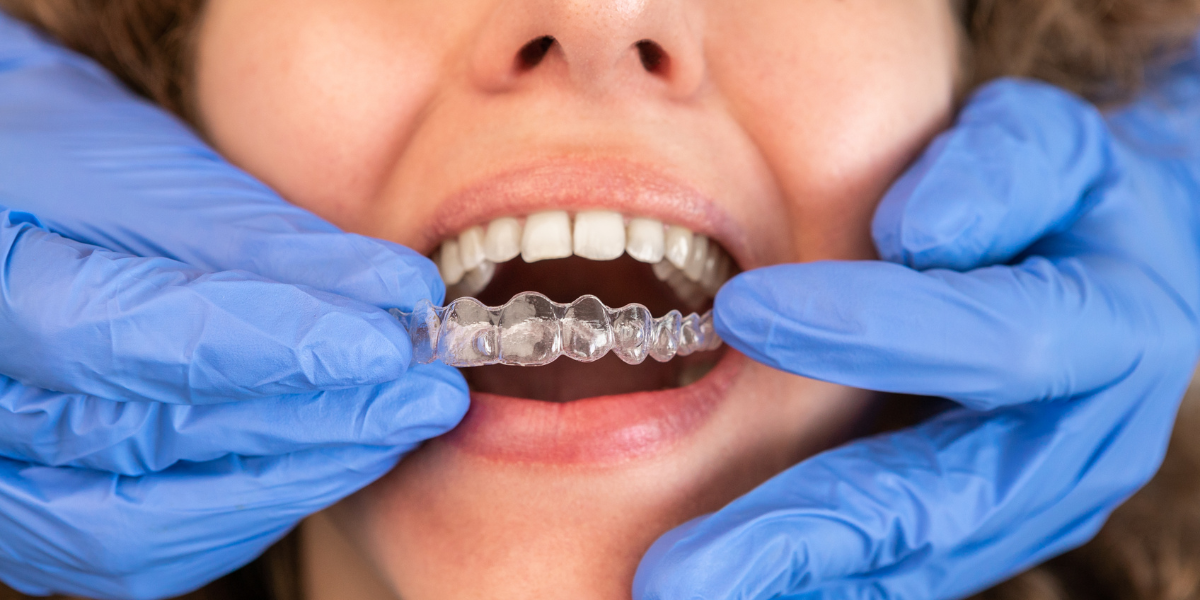
If you feel jaw pain during the aligners, do not ignore it. Many problems can be improved with small changes. The key is early action and good support from your orthodontist.
Communicate With Your Orthodontist
Tell your orthodontist if pain is severe, lasts a long time, or affects chewing. They can check your bite and look for early contact points. They may change your tray schedule or refine your plan. Good orthodontic care in Paramus includes careful check-ins and clear answers. If you are searching orthodontist near me, pick a team that listens and adjusts when needed.
Simple Relief Strategies
These tips can help with mild soreness:
Use a warm compress on the jaw for 10 to 15 minutes
Eat soft foods for a day or two after a tray change
Avoid chewing gum if it makes the pain worse
If pain is sharp, causes locking, or keeps getting worse, call your orthodontist.
Aligners As A Protective Barrier
For some people who grind, aligners can reduce direct tooth-to-tooth contact. That may reduce wear and some soreness. But heavy grinding can still need extra help. Your orthodontist can guide the best plan during Invisalign treatment.
What To Expect During Invisalign Treatment If You Have Jaw Pain

When jaw pain is part of your case, treatment should include comfort checks along the way. You should know what your orthodontist is watching and what you should report.
Initial Orthodontic Evaluation
A good exam includes digital scans, bite checks, and a jaw screening. Your orthodontist will look at how you open and how your jaw moves. They will ask about clicking, locking, and headaches. If you are choosing Invisalign treatment in Paramus, ask how they check TMJ health and what they do if symptoms flare.
Monitoring Jaw Health Throughout Treatment
As teeth move, bite contact changes. Your orthodontist should track those changes. They should ask how your jaw feels at visits. You can also track symptoms at home, like when pain starts and how long it lasts. If you want the best orthodontist near me, look for a provider who takes these comfort checks seriously.
Long-Term Benefits Of Bite Correction
A stable bite can reduce strain on jaw muscles. Chewing can feel easier and more even. Some patients feel fewer headaches or less tightness once the bite is balanced. For the right person, Invisalign for tmd can support better function by improving bite fit over time.
Choosing The Right Orthodontist For Jaw Pain And Invisalign
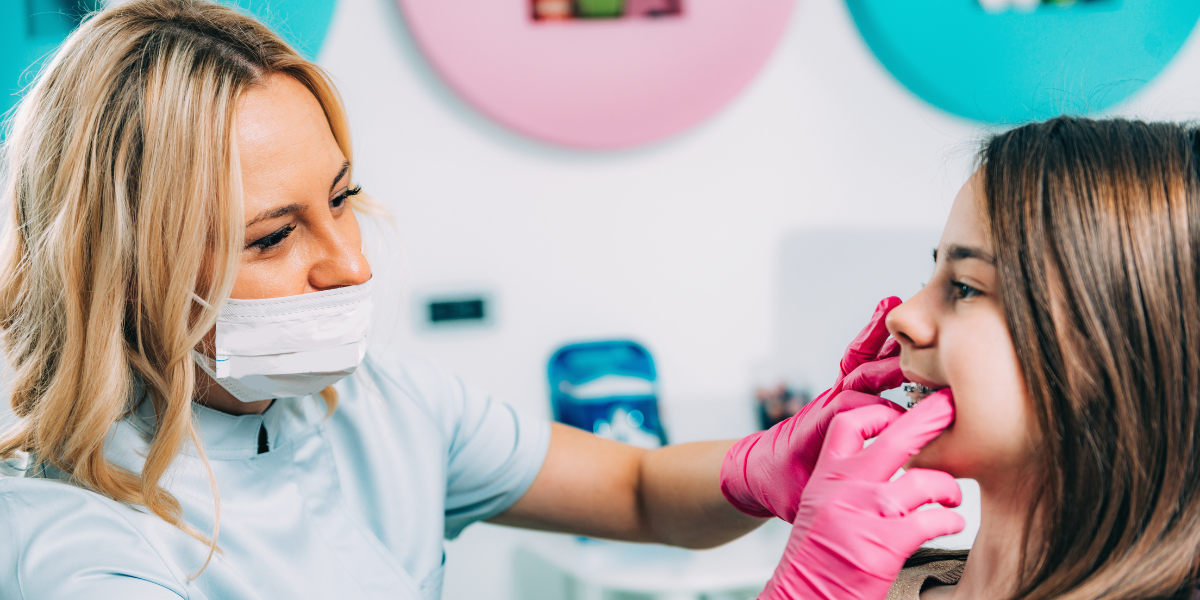
When jaw pain is part of the problem, your provider choice matters a lot. You need an orthodontist who knows how to fix your bite and will help you every step of the way.
Experience With Bite And Jaw Alignment
Ask how the orthodontist handles bite problems and jaw symptoms. They should explain your bite clearly and answer questions in plain language. A quick sales talk is not enough. Many people search for “orthodontist near me,” but when it comes to TMJ concerns, skill and communication matter most.
Technology And Personalized Treatment Planning
Digital scans and 3D planning can improve accuracy. That helps predict how teeth and bite may change. It can also help plan refinements if needed. If you are considering Invisalign treatment in Paramus, ask how often your bite is checked and how treatment is adjusted.
Comprehensive Orthodontic Care
Some cases do best with aligners. Some need braces. A practice that offers braces in Paramus and aligners can choose what fits your bite, not what is easiest to sell. Having options supports better outcomes.
Our Approach To Invisalign And Orthodontic Care At Paramus Orthodontics
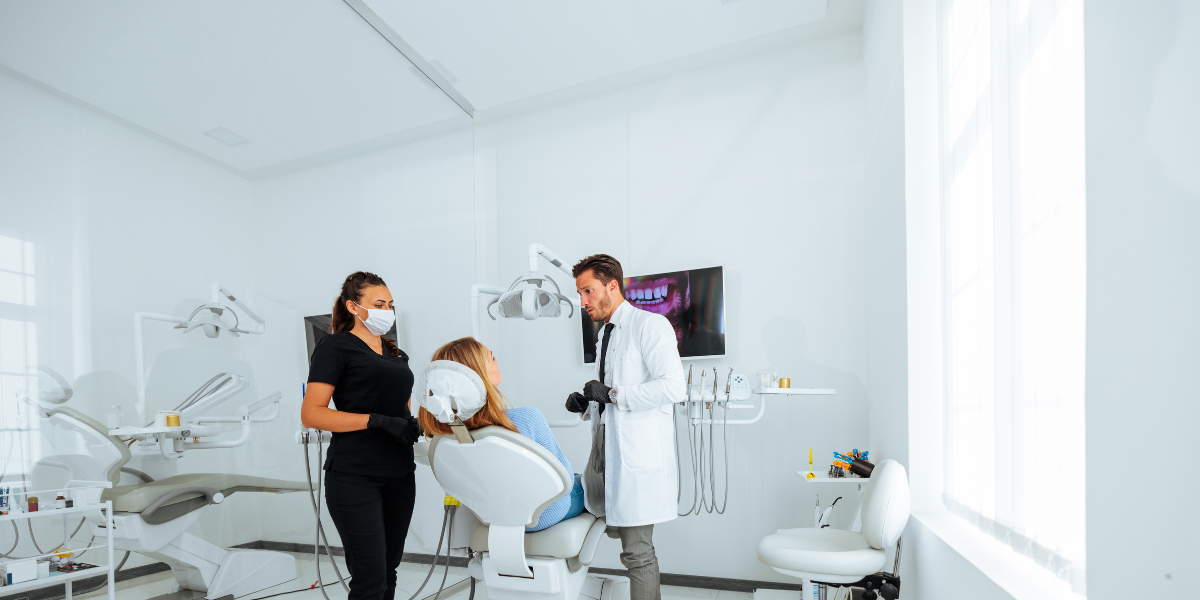
At Paramus Orthodontics, we focus on comfort, function, and clear communication. We use modern tools and careful planning for kids, teens, and adults. If you have jaw pain and want guidance, we are here to help you understand your options.
Personalized Orthodontic Care For Every Patient
We check your teeth, bite, and jaw comfort before we recommend treatment. We explain what we see and why it matters. Many families choose our Paramus orthodontist team because we take a patient-first approach and plan care around real needs.
Advanced Technology For Precise Treatment Planning
We use digital scanning and 3D planning to design aligners and braces with accuracy. This helps us track bite changes and keep treatment predictable. If you choose clear aligner treatment with us, we closely monitor your progress and comfort.
Comprehensive Orthodontic Services Under One Roof
We offer Invisalign, braces, ceramic braces, retainers, palate expanders, and surgical-assisted orthodontics when needed. Having choices is important for patients with bite and jaw concerns. Our orthodontic care in Paramus is tailored to the right solution for each patient.
Helping Patients Achieve Healthier Smiles
We want you to feel good about your smile and your bite. A stable bite can support long-term comfort and reduce uneven wear. If you worry about discomfort, we will talk through the plan and help you move forward with confidence.
Conclusion
Invisalign can affect jaw pain in different ways, based on your bite and TMJ health. Some people feel mild soreness at first, while others feel relief as the bite improves. The best step is a full exam and a plan built around comfort and stability. If you have jaw pain and want to know if aligners are right for you, contact Paramus Orthodontics. Contact us to schedule your consultation and get clear answers.
Frequently Asked Questions About Invisalign And TMJ
Can Invisalign Aggravate TMJ?
Yes, Invisalign can cause temporary soreness as teeth move and bite contact changes. We check your bite often and adjust our plan to keep you comfortable.
What Is The 3 Finger Test For TMJ?
You try to fit three fingers between your front teeth when you open wide, and trouble doing so may point to limited jaw motion. We can examine your jaw and guide you to the right next step.
What Is The 30-minute Rule With Invisalign?
It means putting aligners back in soon after eating so you keep steady wear time each day. We help you build simple routines that keep treatment moving on track.
What Is The Class Action Lawsuit Against Invisalign?
Some cases have involved marketing claims or unhappy results, often linked to unsupervised aligner care. We supervise treatment and monitor bite changes throughout your plan.
What Does A TMJ Flare-up Feel Like?
A flare-up can feel like jaw tightness, soreness, clicking, headaches, or chewing pain. We evaluate symptoms fast and tailor care to support relief.