Underbite vs Overbite vs Crossbite: What’s the Difference, and Why It Matters for Function
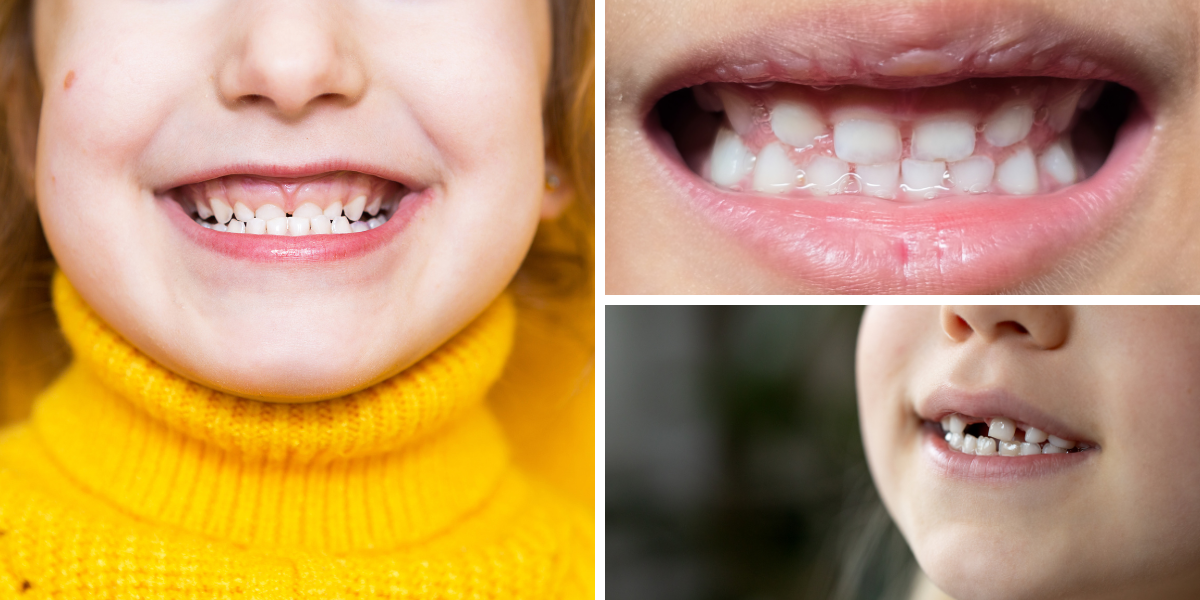
Many people hear terms like underbite, overbite, and crossbite, but are not always sure what they mean or how they differ. These conditions, also called bite misalignment or malocclusion, can affect how your smile looks and how your teeth function. Understanding underbite, overbite, and crossbite helps you recognize when it may be time to seek orthodontic care.
Bite issues can affect chewing, speech, jaw comfort, and long-term dental health. A trusted orthodontist Paramus patients rely on can identify these concerns early and guide you toward the right solution, including braces or Invisalign treatment. This article walks you through the differences and explains why proper orthodontic care in Paramus is so important.
Understanding Bite Alignment and Malocclusion
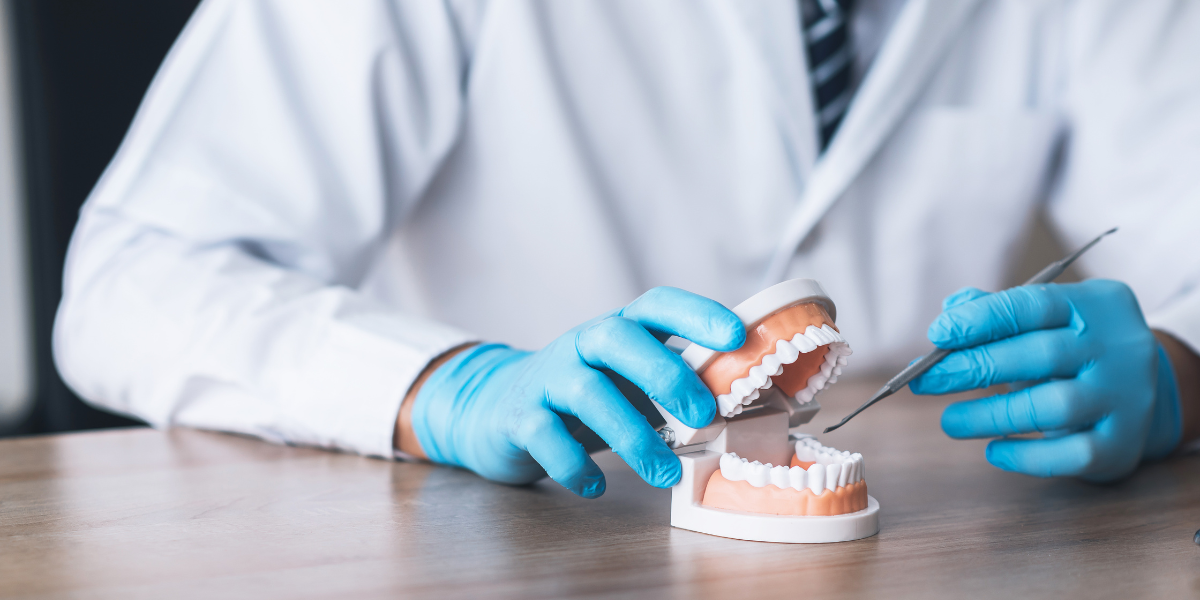
Proper bite alignment allows your teeth and jaw to work together comfortably. When everything lines up correctly, daily actions like eating and speaking feel natural. When alignment is off, orthodontic bite problems can begin to develop.
Malocclusion refers to any issue with how the teeth or jaws fit together. It can be mild or more complex, depending on the jaw's structure and the positioning of the teeth. Learning about bite misalignment types helps you understand when malocclusion treatment may be needed.
What Is a Healthy Bite?
A healthy bite allows your teeth to meet evenly without strain. The upper teeth should gently overlap the lower teeth, creating balance and stability during chewing.
A healthy bite usually includes:
Slight overlap of upper front teeth over lower teeth
Even pressure while chewing
Comfortable jaw positioning without tension
When this balance is disrupted, orthodontic bite problems can begin to affect daily comfort and function.
Types of Orthodontic Bite Problems
Orthodontists group bite issues based on how the teeth are misaligned. The most common bite misalignment types are vertical, horizontal, and lateral.
Vertical misalignment, often seen in overbites
Horizontal misalignment, typical of underbites
Lateral misalignment, linked to crossbites
Each type affects oral health differently, which is why early malocclusion treatment through orthodontic care in Paramus is helpful.
Underbite: When the Lower Teeth Extend Forward
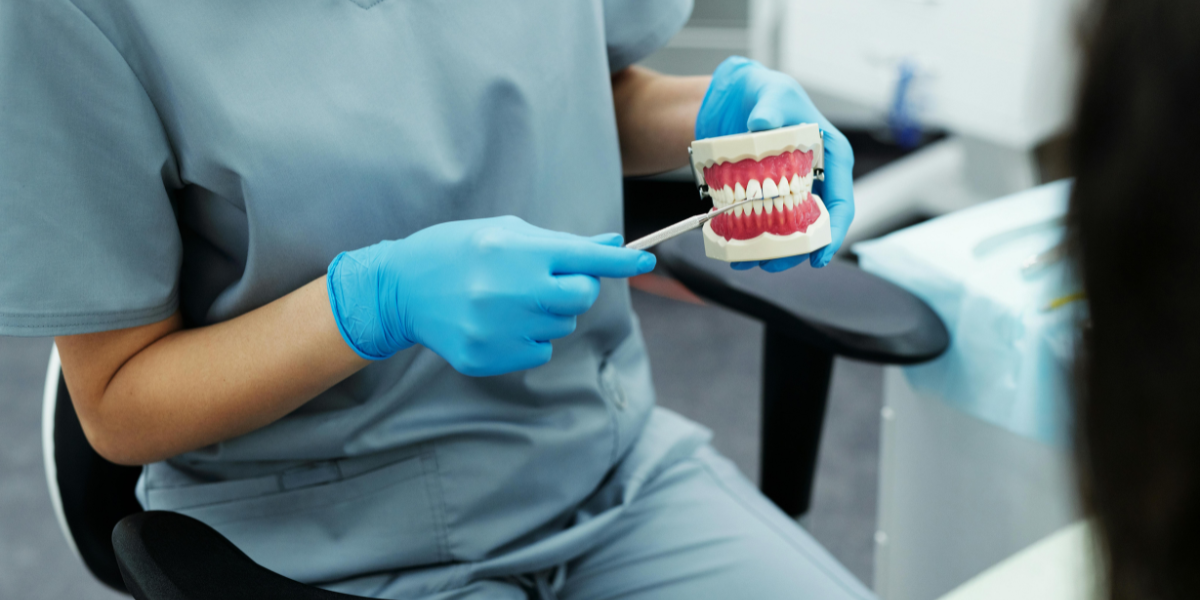
When the lower jaw is positioned in front of the upper jaw, an underbite occurs. This creates a noticeable difference in alignment and is a key factor in distinguishing underbite, overbite, and crossbite. This type of orthodontic bite problem can affect both appearance and how the teeth function during everyday activities.
Signs and Symptoms of an Underbite
Spotting the signs of an underbite early can help reduce long-term issues. In many cases, the condition becomes visible during childhood.
Common symptoms include:
Lower teeth sitting in front of upper teeth
Difficulty biting into foods
Jaw tension or uneven facial appearance
These signs often prompt patients to seek an orthodontist near me for evaluation.
Common Causes of Underbite
Underbites often develop due to inherited traits or changes in jaw growth. In some cases, injury can also affect alignment.
Common causes include:
Genetic jaw differences
A larger lower jaw or a smaller upper jaw
Trauma affecting jaw development
Understanding these causes helps guide effective treatment for malocclusion.
Treatment Options for Underbite
The severity of the illness and the patient's age determine the course of treatment. Modern orthodontic care in Paramus offers several options.
Early treatment for children
Braces in Paramus to guide alignment
Invisalign treatment in Paramus for mild cases
Surgical correction for severe jaw differences
A skilled orthodontist in Paramus can recommend the right plan based on your needs.
Overbite: When the Upper Teeth Overlap Too Much
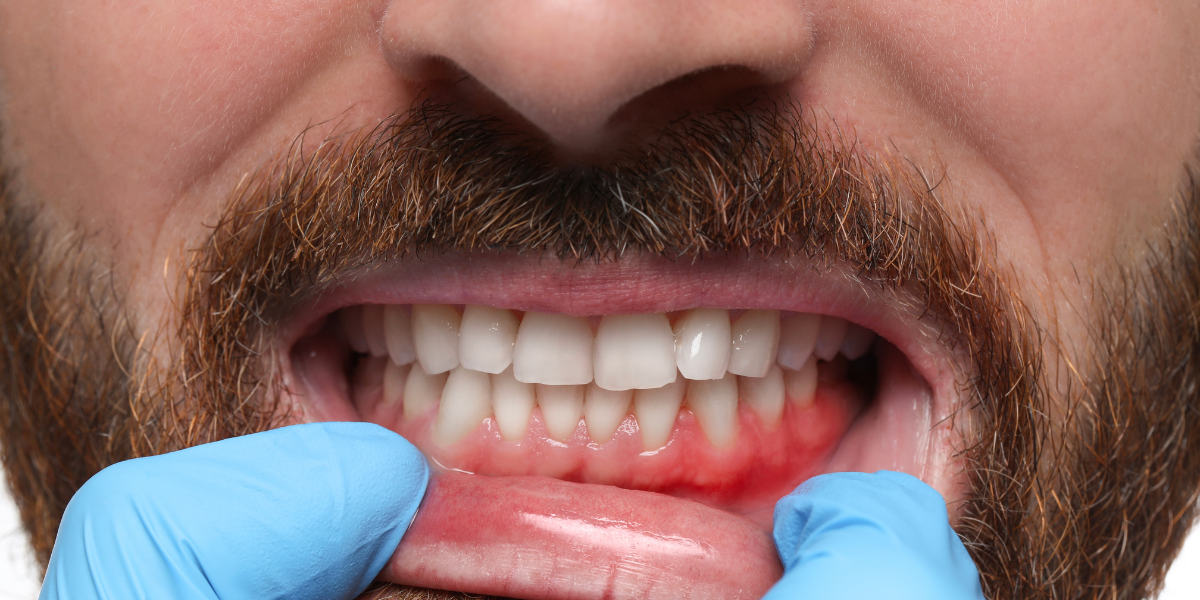
An overbite occurs when the upper teeth cover too much of the lower teeth. A small overlap is normal, but excessive overlap can create discomfort and wear. Understanding this condition is important when comparing underbite, overbite, and crossbite.
Signs of an Excessive Overbite
Overbites often develop gradually, making them easy to overlook at first.
Signs include:
Most of the lower teeth are covered by the upper teeth
Jaw discomfort
Wear on the lower teeth
These issues often lead patients to seek orthodontic care in Paramus.
Causes of Overbite
Overbites can be influenced by genetics or habits developed early in life.
Common causes include:
Jaw structure inherited from parents
Thumb sucking or pacifier use
Tongue positioning habits
Missing teeth affecting alignment
Each factor contributes to different types of bite misalignment.
Orthodontic Treatments for Overbite
Overbites can be corrected with modern orthodontic solutions tailored to each patient.
Traditional braces for precise movement
Invisalign treatment in Paramus is a discreet option
Growth guidance for younger patients
The best orthodontist near me can help determine the most suitable approach.
Crossbite: When Upper Teeth Sit Inside the Lower Teeth
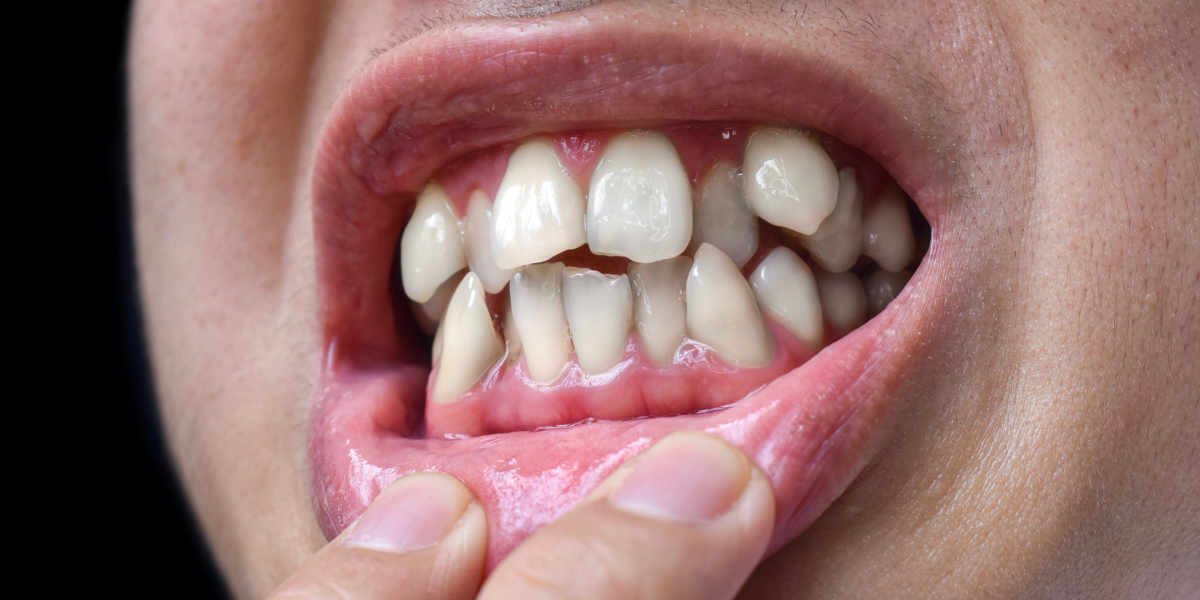
A crossbite occurs when the upper teeth sit inside the lower teeth instead of outside. This creates a side-to-side alignment issue and is another key distinction between underbite, overbite, and crossbite. Crossbites can affect both function and jaw development if left untreated.
Types of Crossbite
Crossbites can vary depending on where they occur in the mouth.
Anterior crossbite affecting front teeth
Posterior crossbite affecting the back teeth
Single or multiple teeth involvement
Each type reflects a different form of orthodontic bite problems.
Common Causes of Crossbite
Several factors can lead to crossbite development, often related to jaw size or tooth positioning.
Common causes include:
Differences in jaw width
Crowding of teeth
Delayed baby tooth loss
Mouth breathing habits
These factors influence the types of bite misalignment and require early attention.
Treatment Options for Crossbite
Crossbite treatment is often most effective when started early, especially in children.
Palatal expanders to widen the upper jaw
Braces or aligners
Early orthodontic intervention
These treatments are commonly provided as part of orthodontic care in Paramus.
Underbite vs Overbite vs Crossbite: Key Differences
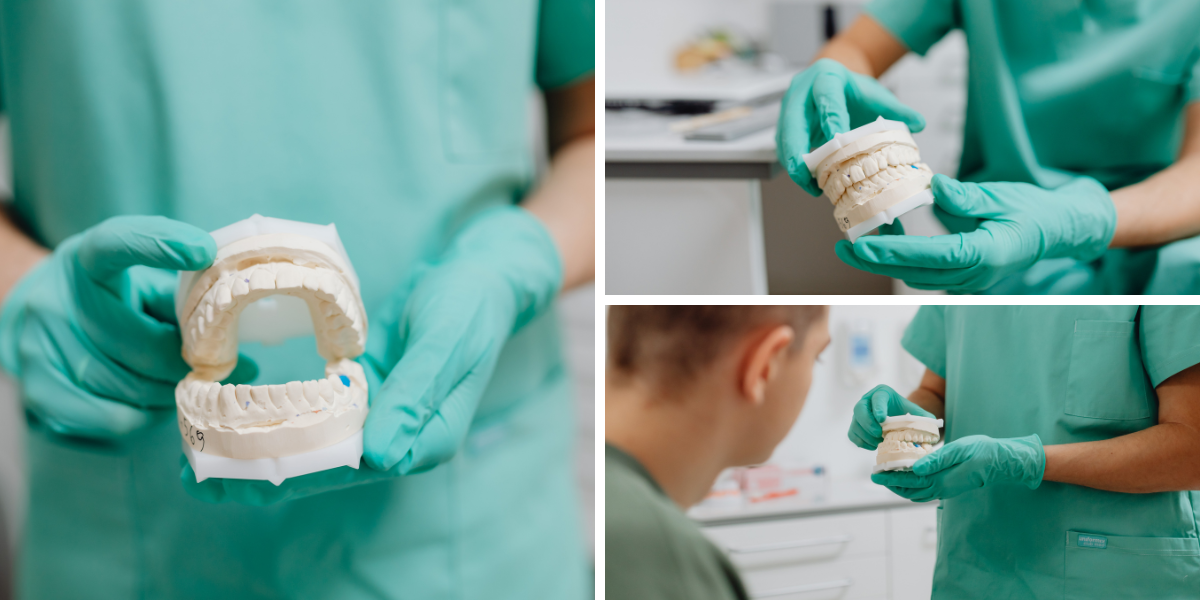
Understanding how these conditions differ can help you identify your specific concern.
Overbite, vertical overlap of upper teeth
Underbite, lower teeth extend forward
Crossbite, side-to-side misalignment
Recognizing these differences supports a better understanding of bite misalignment types.
Why Bite Problems Matter for Function and Oral Health

Bite issues can affect daily comfort and long-term oral health. Addressing orthodontic bite problems early can help prevent complications.
Uneven Tooth Wear and Damage
Misaligned teeth can wear down unevenly over time, leading to chips or fractures.
Jaw Pain and TMJ Disorders: Improper alignment can strain the jaw joint, leading to discomfort or clicking sounds.
Chewing and Nutritional Issues: Difficulty chewing can affect how food is broken down, potentially affecting digestion.
Speech Difficulties: Some bite issues can make certain sounds harder to pronounce clearly.
Gum Health Concerns: Misalignment can place uneven pressure on the gums, leading to irritation.
Increased Risk of Tooth Decay: Crowded or misaligned teeth are harder to clean, which can lead to cavities.
Common Causes of Bite Misalignment
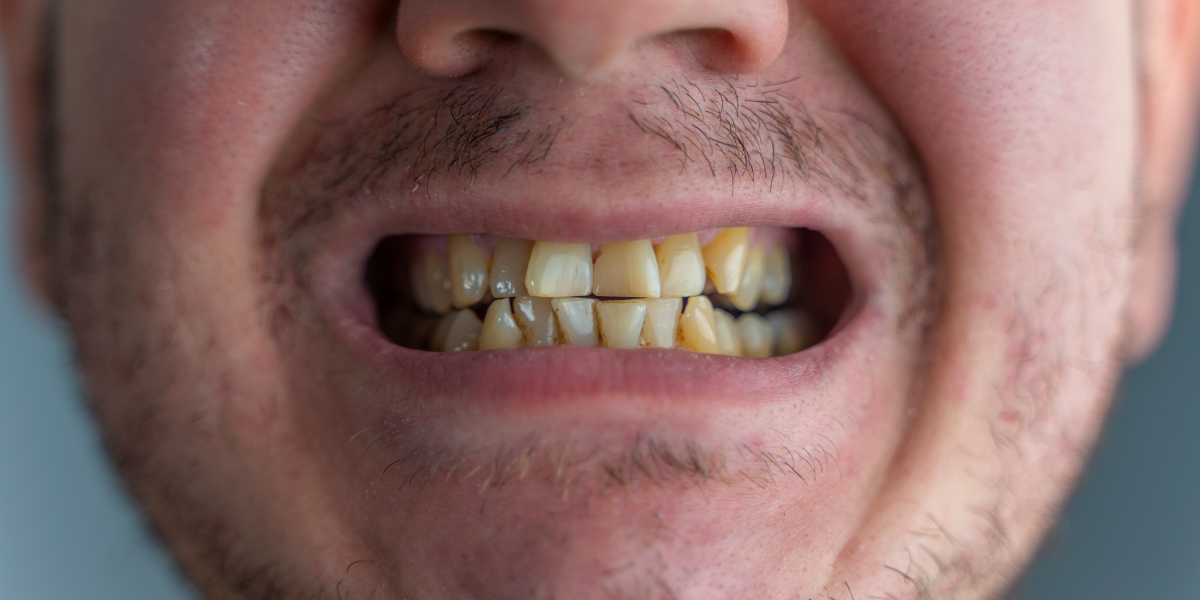
Bite issues often develop due to a mix of genetics and early habits.
Genetic Factors: Jaw size and tooth positioning are often inherited, which can influence the types of bite misalignment.
Childhood Habits: Thumb sucking and tongue pushing are examples of habits that might interfere with normal growth and cause orthodontic bite issues.
Injury or Trauma: Jaw injuries or early tooth loss can impact alignment and may require treatment.
Modern Treatment Options for Bite Correction
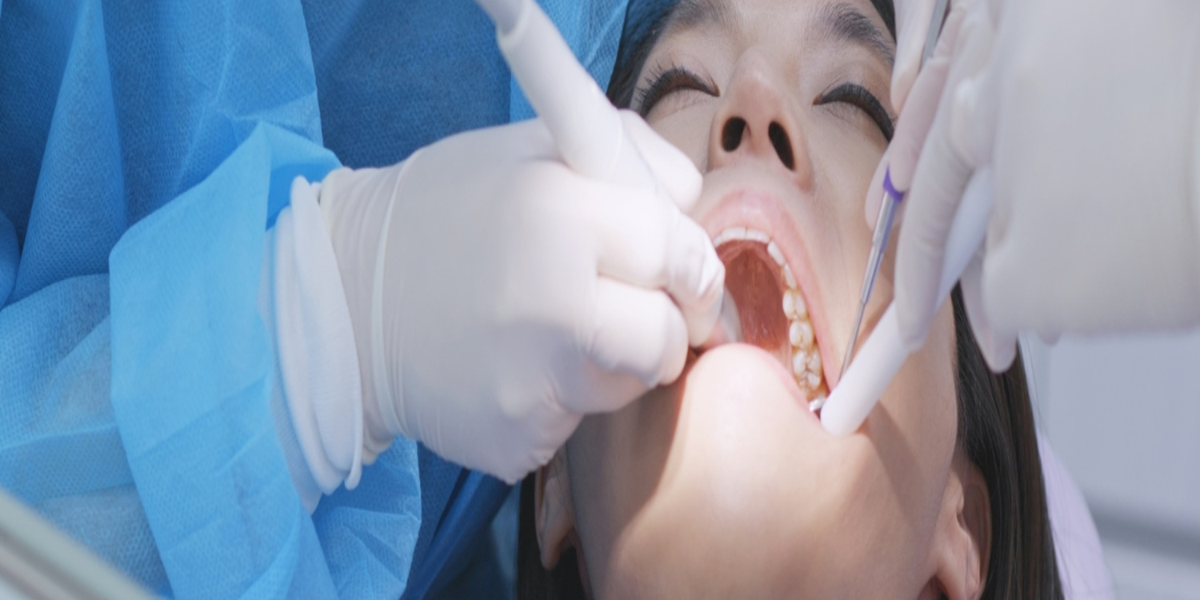
Orthodontic care has advanced, offering several ways to comfortably correct bite issues.
Braces: Braces in Paramus remain a reliable option for correcting moderate to severe alignment issues.
Clear Aligners: Invisalign treatment in Paramus offers a subtle way to straighten teeth.
Palatal Expanders: Expanders help widen the upper jaw and are often used in younger patients.
Orthognathic Surgery: Severe cases may require surgery in addition to orthodontic treatment.
When to See an Orthodontist
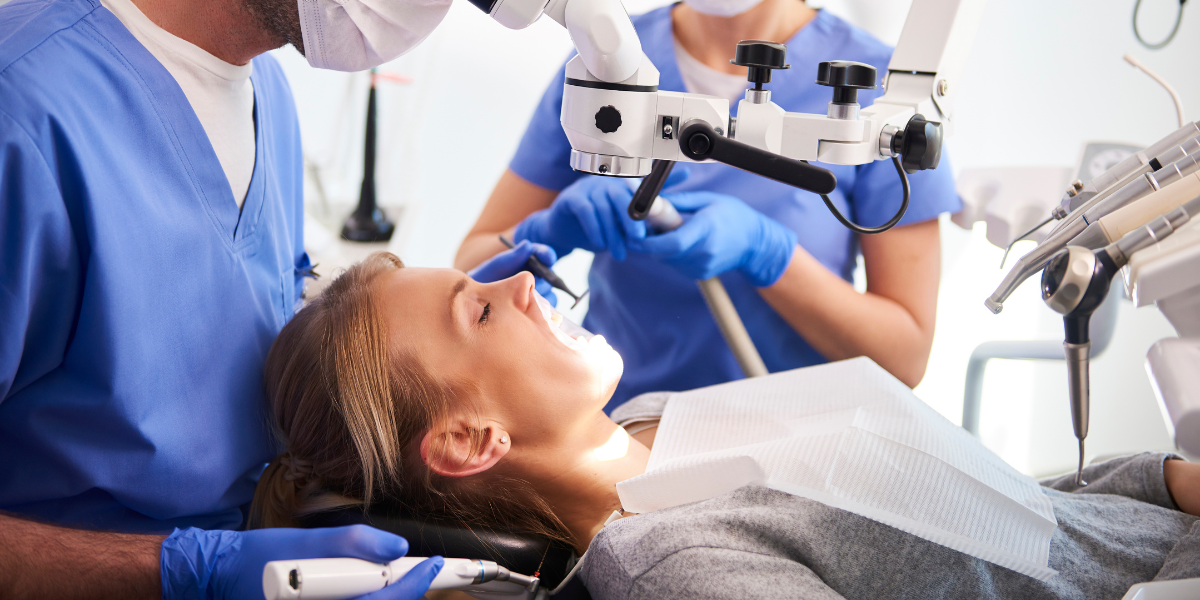
Early evaluation can help prevent more complex issues later. Visiting an orthodontist near me at the right time can make treatment simpler.
Signs You Should Schedule a Consultation
Difficulty chewing
Jaw discomfort
Visible misalignment
Benefits of Early Orthodontic Evaluation
Early care can reduce treatment time and prevent worsening problems.
Finding the Right Orthodontist in Paramus
Choosing the right provider is key to successful treatment.
What to Look for in an Orthodontist
Look for experience, modern tools, and flexible treatment options when searching for the best orthodontist near me.
Personalized Orthodontic Care
Customized plans help address each patient’s unique needs using modern technology.
Our Approach to Bite Correction at Paramus Orthodontics
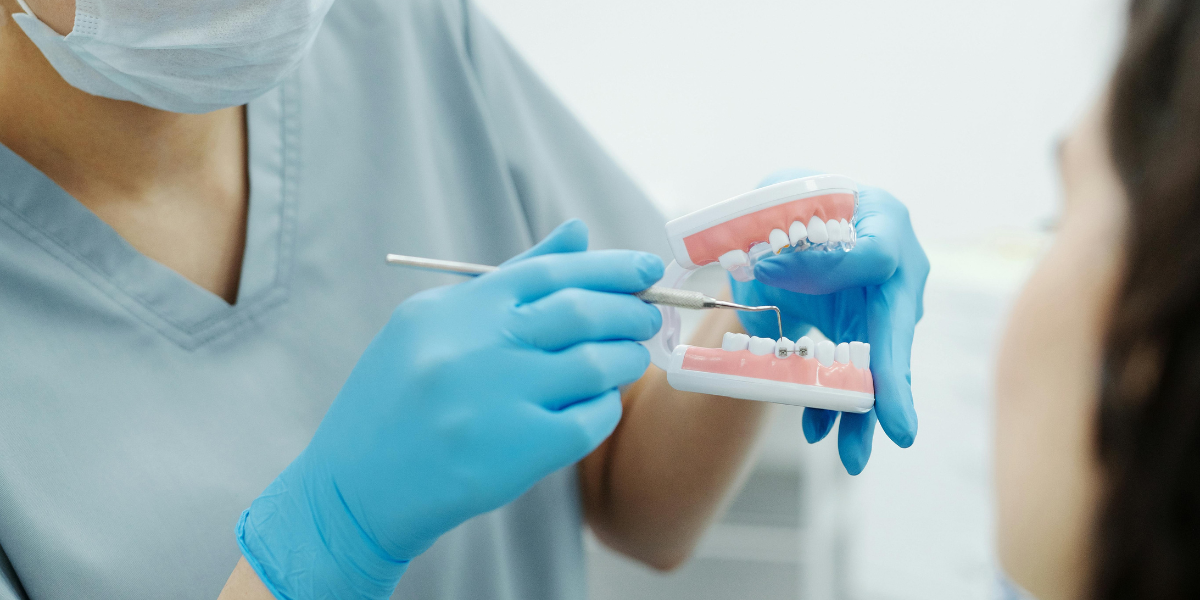
At Paramus Orthodontics, we focus on providing orthodontic care in Paramus that supports both function and appearance. Our team works closely with each patient to create a plan that fits their goals.
We offer treatments including braces in Paramus and Invisalign treatment in Paramus, along with other solutions tailored to each case. Each plan is designed to address individual alignment concerns and improve overall comfort. We use digital tools and 3D planning to improve accuracy and patient experience. We provide care for all age groups with flexible treatment options.
Conclusion
Understanding underbite, overbite, and crossbite helps you recognize how bite issues can affect your daily life and oral health. These conditions can lead to discomfort and long-term concerns if left untreated. With guidance from a trusted orthodontist in Paramus, patients can choose from solutions such as braces or Invisalign. Early care and proper malocclusion treatment support lasting results.
Take the first step toward a healthier, more confident smile with expert care from a trusted orthodontist Paramus patients rely on. We offer personalized solutions, including braces in Paramus and Invisalign treatment in Paramus. Schedule your consultation with us today.
Frequently Asked Questions About Bite Misalignment
Is underbite and crossbite correction necessary?
Yes, correction helps prevent long-term oral health issues. We provide personalized orthodontic care in Paramus to address your bite concerns.
Which celebrity has an overbite?
Tom Cruise and Freddie Mercury are known for having overbites. We help patients improve their smiles with Invisalign treatment in Paramus and braces.
What is the hardest bite to fix?
Severe skeletal underbites are often the most complex. We create tailored malocclusion treatment plans based on your needs.
Is a 20% overbite normal?
Yes, it falls within a healthy range. We evaluate your bite and provide expert orthodontic care in Paramus.
Do braces permanently fix an underbite
Braces can provide lasting correction with proper retention. We offer braces in Paramus designed for stable, long-term results.