If you’re thinking about getting braces, you may have one big worry: “Will I sound different when I talk?” That question comes up all the time. You might have school, work calls, or just everyday chats with friends. So it makes sense to feel nervous.
Here’s the truth: yes, your speech can sound a little different at first. You may notice a small lisp or feel like some words are harder to say. Around 56% of patients notice minor speech changes early on, then things improve as the mouth adjusts. Below, we’ll walk through what’s normal, what helps, and when to call your office for support, based on what we see every day at Orthodontist Paramus.
Why Do Braces Affect Speech At First?
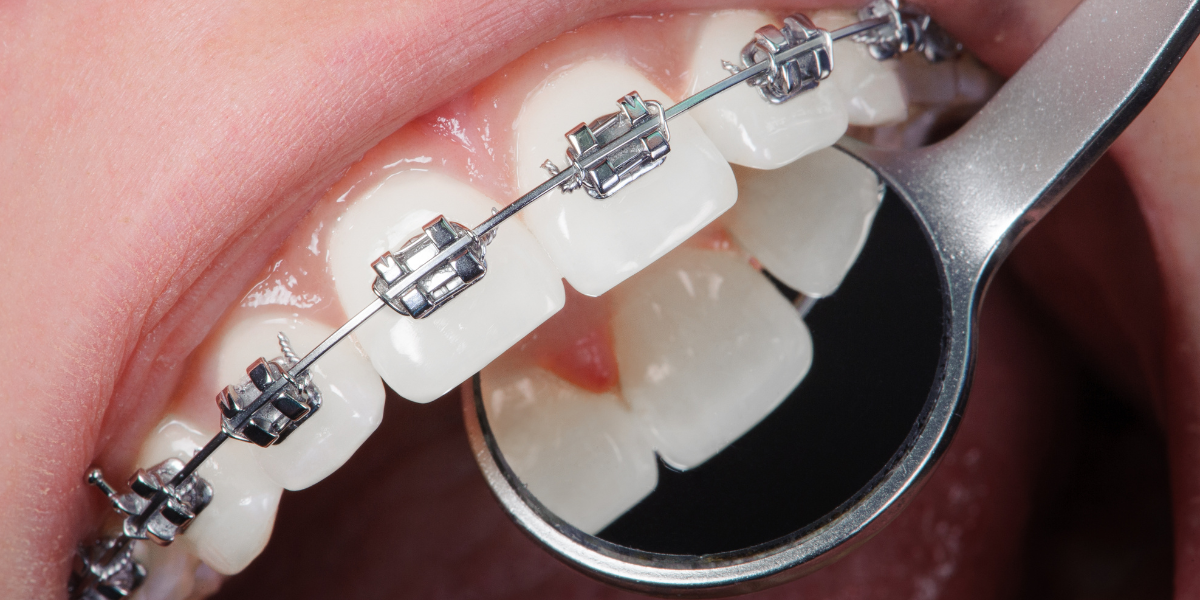
Talking is a team effort between your tongue, lips, teeth, and airflow. When braces go on, your mouth has new shapes and new “speed bumps.” That can change how air moves and where your tongue lands. With orthodontic braces, this is very common in the early days.
The good news is that most people adjust quickly, especially with a few simple habits and the right support from orthodontic care in Paramus.
Physical Obstacle In The Mouth
Brackets and wires add extra surface to your teeth. At first, your tongue may bump into them while you talk. That can slightly change how air comes out, which is why some sounds feel odd.
This is one of the main reasons people notice braces and speech changes early in braces treatment. As your tongue learns the new shape of your teeth, speaking starts to feel normal again.
New Tongue Positioning
Some sounds require your tongue to touch your teeth at a very specific spot. When braces are added, that spot shifts a little. That’s why a temporary lisp is common with sounds like “s,” “z,” “sh,” and “th.”
During braces treatment, your tongue is learning a new path. It may feel strange for a short time, then it gets easier as your mouth builds new muscle memory.
Increased Saliva Production
When you first get braces, your mouth may make extra saliva. This is a normal “new object” reaction. Extra saliva can make speech feel less clear for a few days.
Most people notice this settles fast. As your mouth calms down, braces and speech usually line up again without any special treatment.
Soreness And Discomfort
Sore teeth can change how you move your mouth. You might talk with smaller lip movements or avoid certain mouth shapes without noticing. That can affect speech in the first week.
If soreness is strong or speech feels hard to manage, it helps to call an Orthodontist near me for tips or a quick adjustment. Small fixes can bring quick relief.
How Long Do Speech Changes Last?
This is the question most people really want answered. For most patients, speech changes are short and mild. Many people feel better in a few days. Most adjust in 1 to 2 weeks.
If you know what affects the timeline, you can feel calmer and stay confident during the first part of braces treatment.
Typical Adjustment Period
A common timeline is 1–2 weeks. Some people adjust in just a few days, especially if they practice speaking out loud.
In rare cases, it can take up to a month. That often happens when the bite is complex or the mouth is dealing with ongoing irritation. Even then, it’s still a normal part of braces treatment for some patients.
What Influences The Timeline?
A few things can affect how fast you adjust:
Age: kids often adjust fast, but adults can adapt quickly, too.
Type of appliance: braces, lingual braces, and aligners can feel different.
Bite issues: crowding, overbite, underbite, and jaw alignment can change how your tongue rests.
With digital scans and 3D planning, orthodontic care in Paramus can plan your braces treatment with comfort in mind. That often helps reduce surprises during the first few weeks.
When To Check In With Your Orthodontist
Call if speech issues persist after several weeks or if pain is not improving. Sometimes the problem is not “just braces.” It could be a wire poking, a bracket rubbing, or your bite hitting in a weird spot.
A quick visit with an Orthodontist Paramus team can smooth a rough area, adjust a wire, and help you feel better fast.
Common Symptoms of Chewing Fatigue
When chewing feels difficult, the symptoms are often a mix of muscle and joint stress. Many people notice jaw muscle overuse after ordinary meals and a lingering tightness in the cheeks or temples.
You might also feel TMJ-related chewing pain with stiffness, clicking, or a sense that your jaw does not glide smoothly. Over time, facial muscle strain can show up as soreness that spreads into the lower face, jawline, and even the head.
Why Your Jaw Gets Tired from Chewing
A common driver is bite misalignment fatigue, where the bite does not distribute force evenly. Overbites, underbites, and open bites can shift workload onto certain muscles and parts of the joint.
When teeth meet unevenly, the jaw often searches for a position that feels stable, and that extra effort can wear you down. The longer this pattern continues, the more the jaw joints and muscles adapt to compensation instead of efficiency.
Which Types Of Braces Affect Speech The Most?

Different braces sit in different places, so they can affect speech in different ways. Some options are more likely to cause a lisp early on. Others find it easier to speak right away.
No matter what you choose, braces and speech changes are usually temporary. If you’re comparing Braces in Paramus options with aligners, here’s a clear breakdown.
Lingual Braces (Placed Behind The Teeth)
Lingual braces sit behind your teeth, close to where your tongue rests. As a result, they often cause the most noticeable speech changes at first. Lisping can be stronger early on.
Most patients still adjust well with practice and time. With a good braces treatment plan and support, speech usually improves as the tongue adapts.
Traditional Metal Or Ceramic Braces
Traditional braces go on the front of the teeth. Speech changes are usually mild to moderate and improve quickly for most people.
This option is a common choice for Braces in Paramus because the process is steady and predictable. For many patients, speech feels normal again within the first couple of weeks of braces treatment.
Clear Aligners (Invisalign)
Clear aligners cover the teeth. That thin layer can change where your tongue touches, so some patients get a mild lisp at first.
Many people adjust quickly, often within days, especially when aligners are worn consistently. If you’re thinking about Invisalign Treatment in Paramus, we’ll explain how wear habits can affect braces and speech during the adjustment period.
Choosing The Right Option For You
The right choice depends on your bite, your goals, and your routine. Some people want the most discreet look. Others need stronger correction for a complex bite.
Digital scans and 3D planning help match you with the best fit. If you’ve been searching for the best orthodontist near me, look for a team that explains your options in simple terms and builds a braces treatment plan around your needs.
Expert Tips To Improve Speech Faster

You don’t have to sit and wait for speech to “fix itself.” A few small steps can help your mouth adjust faster. These tips are simple, safe, and easy to do at home.
They work for braces and for aligners, and they can help braces and speech feel normal sooner.
Read Out Loud Daily
Reading out loud for 10 to 15 minutes a day helps a lot. It gives your tongue practice with real words and real sounds.
Pick something easy, like a short article, a book, or even notes for school or work. Go slowly at first and focus on clear words. This simple habit supports the progress of braces treatment and speech confidence.
Practice “Problem Sounds”
If certain sounds feel tricky, practice them on purpose. Start with “s,” “t,” and “th.” Say them slowly, then in simple words, then in short sentences.
Tongue twisters can help, too, as long as you keep them slow and clear. Braces and speech usually improve faster when you give your mouth steady practice.
Use Orthodontic Wax
Wax can smooth rough spots on brackets and wires. When your mouth feels less irritated, your tongue can move more freely. That can help speech feel clearer.
If you’re not sure how to use wax, call your office. An Orthodontist Paramus team can explain it quickly and help you feel comfortable during braces treatment.
Stay Hydrated
Drinking water helps in two ways. It can help with the “extra saliva” phase and keep your mouth tissues comfortable.
Many patients notice they speak more clearly when they stay hydrated during the first weeks of braces treatment.
Slow Down Your Speech
For a short time, speaking slower can help you feel in control. It gives your tongue time to land in the right spot.
This is helpful during presentations, phone calls, and work meetings. As orthodontic braces start to feel normal, your speed usually returns on its own.
The Long-Term Reality: Can Braces Actually Improve Speech?
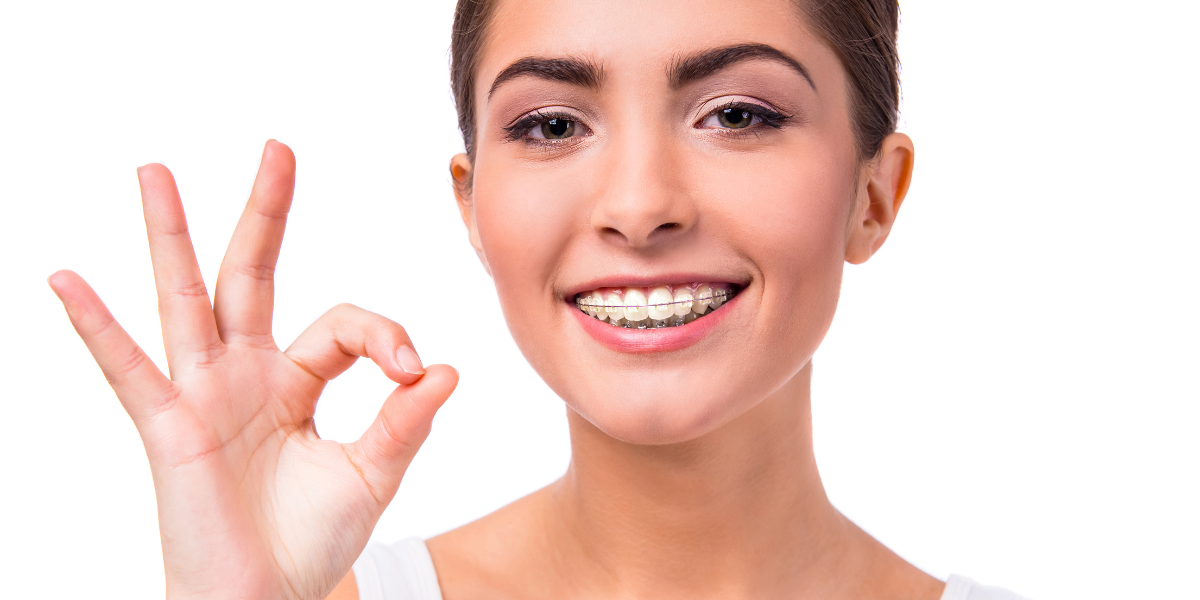
Even though speech can feel awkward at first, the long-term result can be positive. Teeth and bite alignment affect how the tongue sits and how air flows. If your bite has been causing speech issues, correcting it can help.
That’s why orthodontic care in Paramus often looks at function as well as appearance.
Correcting Bite Problems That Affect Speech
Issues like overbite, underbite, and crossbite can change how your tongue contacts your teeth. Some people adjust their mouth position for years without knowing it.
As braces treatment corrects the bite, your mouth may not need those old workarounds. For some patients, orthodontic braces improve speech clarity after treatment.
Jaw Alignment And Functional Benefits
For kids, early interceptive care can guide jaw growth and reduce future bite problems. For complex cases, surgical orthodontics may be part of the treatment to correct jaw imbalance.
Strong orthodontic care in Paramus looks at chewing, jaw comfort, and bite stability. When the function improves, speech can feel steadier for some patients, too.
Clearer Speech And Greater Confidence
Many patients feel more confident when treatment is finished. Straighter teeth and a balanced bite can make it easier to speak without feeling self-conscious.
If braces and speech changes are bothering you right now, remember that the early phase is temporary. The results of braces treatment can last a long time.
What To Expect During Your Braces Consultation In Paramus

A great consult should feel simple and clear. You should understand what’s going on with your teeth and bite, the options available to you, and what the next steps look like. Speech concerns are welcome here, too, because braces and speech questions are common.
At Paramus Orthodontics, a braces consultation is built around clarity, comfort, and a plan you can trust.
Advanced Technology For Precision
Digital scanning creates a 3D model of your teeth without messy impressions. This helps plan tooth movement with high accuracy.
When braces treatment is planned carefully, comfort is better, and small issues are easier to spot early. That can help the adjustment period, including speech changes, feel smoother.
Personalized Care For Every Age
Kids, teens, and adults all have different needs. We offer traditional braces and Invisalign Treatment in Paramus options, plus solutions for complex bites.
If you’re deciding between Braces in Paramus and aligners, we’ll explain what fits your bite and your lifestyle in a clear, no-pressure way.
Compassionate,Family-Focused Experience
Speech changes can feel embarrassing, so we talk about them openly and kindly. We’ll tell you what’s normal, what usually improves quickly, and what to do at home.
This kind of support is a key part of orthodontic care in Paramus, and it helps patients stay confident during the first weeks.
How We Approach Speech Concerns At Paramus Orthodontics
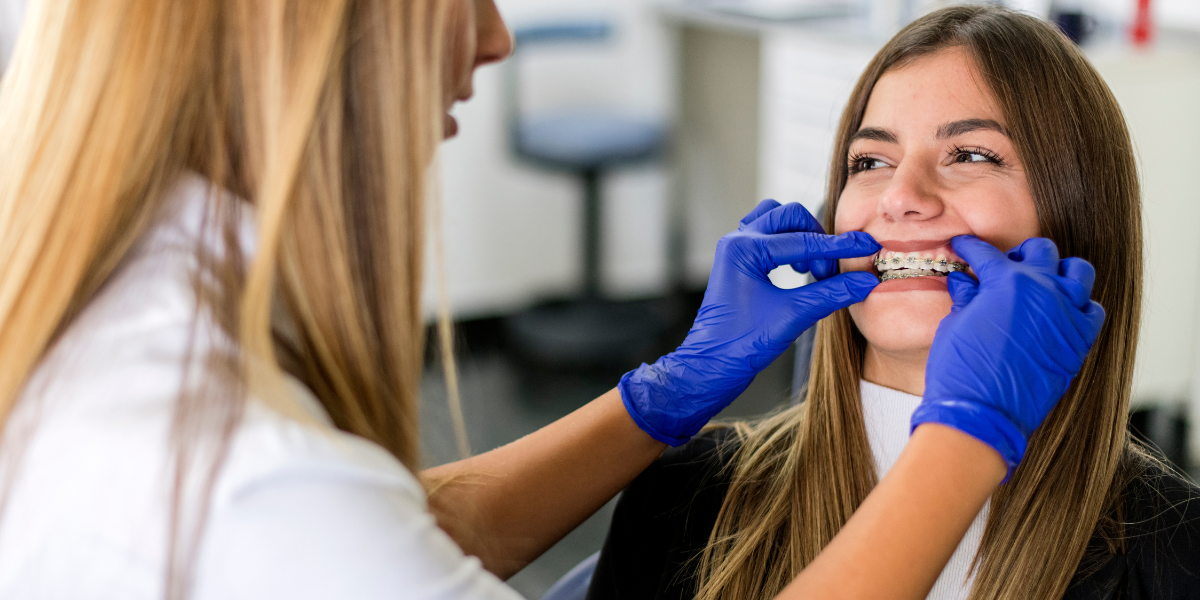
We treat speech concerns as part of real life. People need to talk at work, at school, and at home. So we guide you through what to expect and how to feel better fast.
If you’re choosing an Orthodontist Paramus office, ongoing support can make braces treatment feel much easier.
Personalized Evaluations For Every Patient
We examine your bite and alignment using digital scans and 3D planning. We check for crowding, jaw alignment issues, overbites, and underbites. These factors can affect braces and speech by changing where the tongue rests. Then we tailor your braces treatment to your needs and explain what will help during the adjustment period.
Comprehensive Treatment Options Under One Roof
We offer metal, ceramic, lingual, and clear aligners. We also provide retainers, palate expanders, and surgical-assisted orthodontics when needed.
Whether you want Braces in Paramus or Invisalign Treatment in Paramus, we match your plan to your bite, your goals, and your comfort during braces treatment.
Ongoing Support Throughout Your Adjustment Period
We coach patients through soreness, irritation, and changes in braces and speech. If something feels sharp, painful, or confusing, we welcome quick check-ins. Small adjustments can bring fast relief.
Our goal is for families in Paramus and nearby New Jersey communities to feel supported from the first visit through the end of braces treatment.
Conclusion
Yes, braces can temporarily change how you sound, and a mild lisp is very common at the start. For most people, braces and speech changes improve within days to a couple of weeks, especially with reading practice, sound drills, and wax for comfort. Over time, orthodontic braces can even help speech for some patients by correcting bite and alignment problems.
If you’ve been searching for an Orthodontist near you, contact us. We’ll answer your questions, explain your options, and help you feel confident with Braces in Paramus or Invisalign Treatment in Paramus from the very start.
Frequently Asked Questions (FAQs)
Can Braces Make Your Speech Worse?
Yes, for a short time, because brackets or aligners can change tongue placement and airflow during early treatment with braces. At Paramus Orthodontics, we listen to your concerns, share simple practice tips, and help you get comfortable fast.
Is It Normal To Have A Lisp When You First Get Braces?
Yes, a short-term lisp is common, especially with “s,” “z,” “sh,” and “th” sounds while adjusting to orthodontic braces. We show our patients easy drills and comfort tips to help them feel normal again sooner.
Does Anyone Ever Regret Getting Braces?
Regret is uncommon because most people love their final results and feel proud of their smile. We guide you through each visit for orthodontic care in Paramus to keep your braces treatment comfortable and clear.
Will Invisalign Affect My Speech The Same Way Traditional Braces Do?
Aligners can cause a mild lisp at first, but many patients adjust quickly when they wear them consistently. With our Invisalign Treatment planning in Paramus, we coach you to help you adjust smoothly and stay on track.
When Should I Call My Orthodontist About Speech Concerns?
Call if speech issues last several weeks, get worse, or come with pain that doesn’t improve. We’re here to help, so contact our Orthodontist Paramus office, and we’ll check your braces treatment and support your comfort.