Can Jaw Surgery Fix Chronic Chewing Fatigue?

Chronic chewing fatigue can sneak up on you. One day your jaw feels fine, and the next, meals feel like work. If your jaw gets tired quickly, aches during dinner, or feels tight after talking, it may be signaling a functional problem that deserves attention. For many people, the issue is not willpower or “chewing habits.” It can be a bite and jaw structure that forces the muscles and joints to compensate. When that happens, targeted treatment can change daily comfort in a real way.
What Is Chronic Chewing Fatigue?
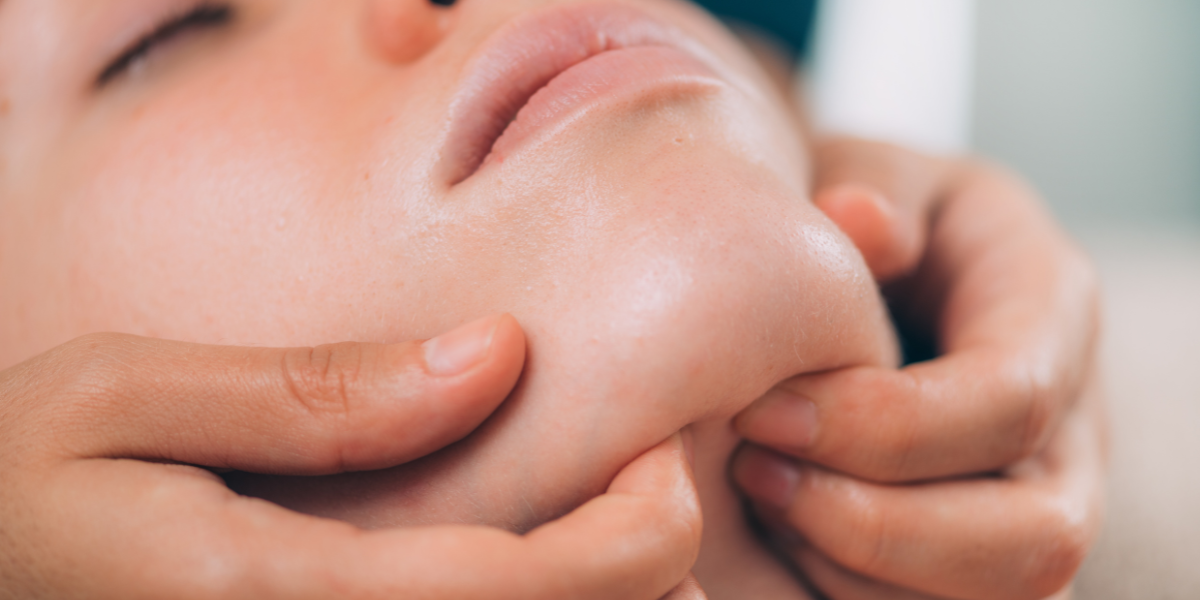
Chronic chewing fatigue is a persistent sense of jaw tiredness, heaviness, or weakness during eating or speaking. Unlike brief soreness after a long meal, chronic chewing fatigue tends to return often and can limit what you feel comfortable eating.
It can gradually shape your routine, from avoiding chewy foods to taking longer to finish meals. When the bite and jaw relationship stays off, the same mechanics who caused the fatigue can keep reinforcing it.
Common Symptoms of Chewing Fatigue
When chewing feels difficult, the symptoms are often a mix of muscle and joint stress. Many people notice jaw muscle overuse after ordinary meals and a lingering tightness in the cheeks or temples.
You might also feel TMJ-related chewing pain with stiffness, clicking, or a sense that your jaw does not glide smoothly. Over time, facial muscle strain can show up as soreness that spreads into the lower face, jawline, and even the head.
Why Your Jaw Gets Tired from Chewing
A common driver is bite misalignment fatigue, where the bite does not distribute force evenly. Overbites, underbites, and open bites can shift workload onto certain muscles and parts of the joint.
When teeth meet unevenly, the jaw often searches for a position that feels stable, and that extra effort can wear you down. The longer this pattern continues, the more the jaw joints and muscles adapt to compensation instead of efficiency.
How Jaw Misalignment Affects Chewing and Jaw Health
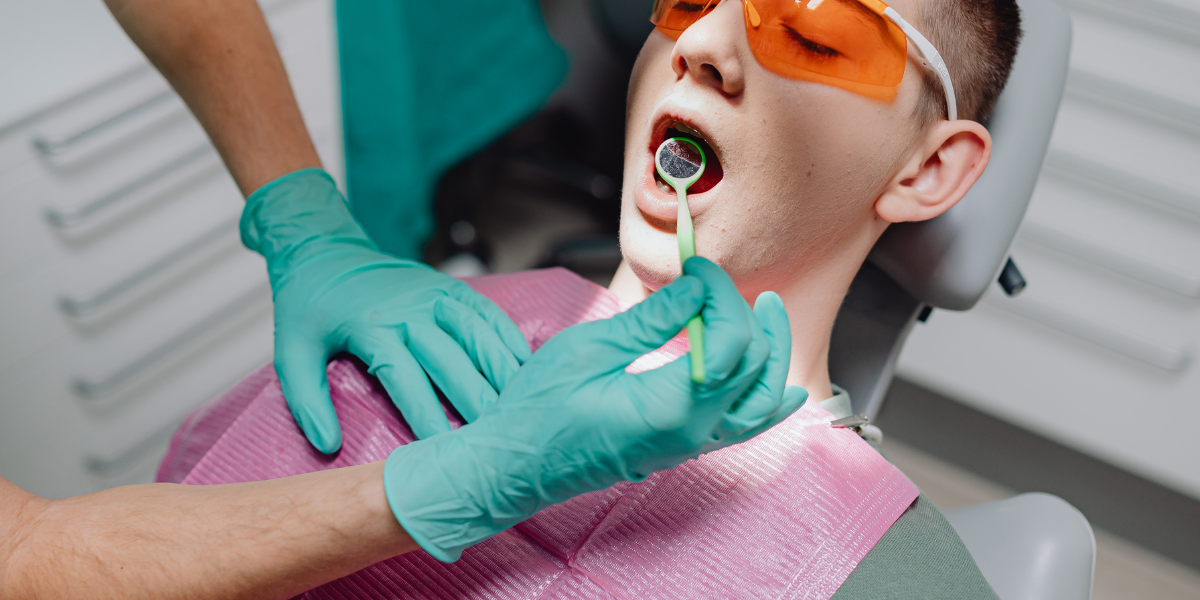
Jaw alignment plays a major role in how smoothly the muscles coordinate during chewing. When the jaws are not positioned well together, chewing efficiency drops and the system relies on compensation.
Skeletal alignment issues differ from tooth-only problems because they involve the base relationship between the upper and lower jaw. In those cases, jaw alignment treatment may need to address the underlying structure, not just tooth position.
Jaw Muscles, TMJ, and Overuse
With misalignment, the muscles often stay “on” longer than they should, working to stabilize the jaw during each bite. That ongoing effort can create a cycle of tension and soreness that feels like constant fatigue.
The temporomandibular joint can also handle more weight, especially when the jaw moves or slides to make contact. That stress can intensify TMJ-related chewing pain and make chewing feel unreliable or limited.
Structural Problems That Braces Alone Can’t Fix
Orthodontic appliances can align teeth beautifully, but some problems are rooted in jaw position. When the upper and lower jaws are mismatched in size or placement, braces can have limits.
In these situations, a proper treatment plan for bite correction may require combining orthodontics with surgical care. That is where corrective jaw surgery becomes a consideration for people whose symptoms trace back to skeletal imbalance.
Can Jaw Surgery Fix Chronic Chewing Fatigue?
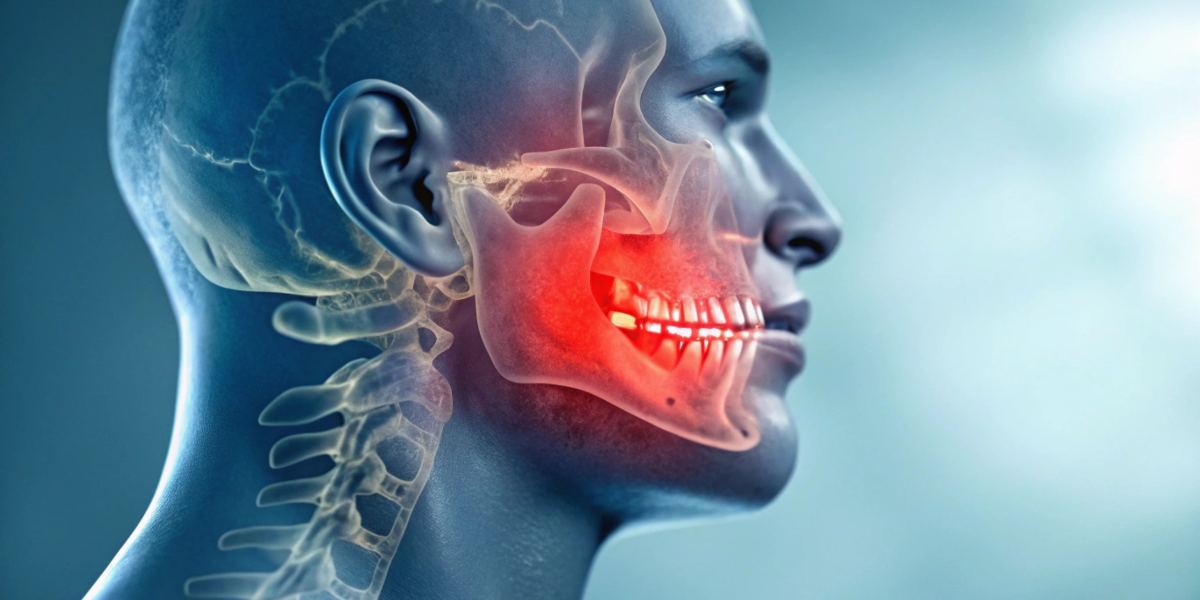
For the right candidates, orthognathic surgery can resolve chronic chewing fatigue by correcting the structural cause. When the jaws are repositioned so the bite fits correctly, chewing often becomes less demanding and more predictable.
This approach targets the mechanics behind the fatigue rather than chasing symptoms that keep returning. A thorough evaluation is essential, since some cases need surgery, and other cases improve fully with it.
What Is Orthognathic (Corrective) Jaw Surgery?
Orthognathic surgery is a procedure that repositions one or both jaws to improve function, bite alignment, and facial balance. It is planned around how your teeth meet and how the joints and muscles work together.
It is different from purely cosmetic procedures because it is designed around function and stability. For patients seeking orthognathic surgery in Paramus, the goal is to create a bite that supports comfortable chewing, speaking, and long-term jaw health.
How Jaw Surgery Improves Chewing Function
When jaw position is corrected, teeth can meet where they are meant to, reducing the need for muscular compensation. That often lowers daily tension and the feeling that your jaw “works overtime.”
Surgery can reduce strain on the muscles and joints, easing patterns linked to jaw muscle overuse and stress around the TMJ. Many patients notice chewing becomes smoother, and meals stop feeling like a challenge.
How Jaw Surgery Specifically Helps with Chewing Fatigue
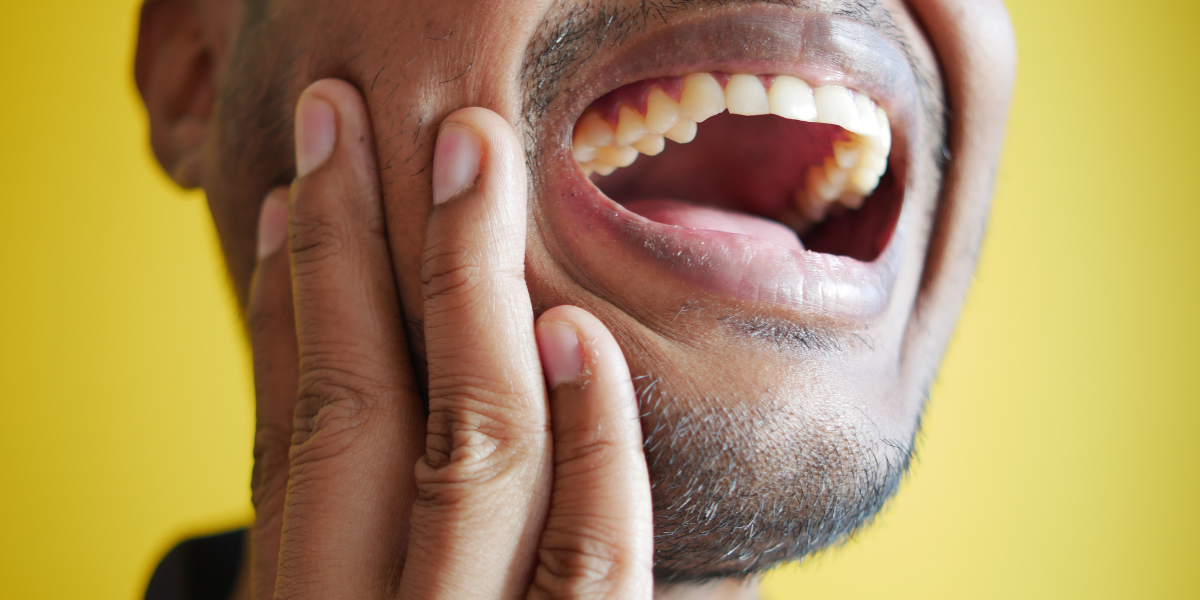
Practical advantages of surgery frequently manifest as reduced postoperative discomfort and increased feeding endurance. Restoring equilibrium in the teeth, muscles, and joints results in these enhancements.
The exact outcome depends on diagnosis, treatment planning, and follow-through during healing. When all pieces align, fatigue often decreases because the chewing system finally operates with better biomechanics.
Correcting Bite & Jaw Alignment
A key goal is repositioning the jaws so the bite can close evenly across the teeth. That correction can address overbites, underbites, and open bites that commonly trigger bite misalignment fatigue.
The muscles don't have to overcompensate to establish stability once tooth contact is balanced. Because the jaw can seal where it should, many patients report that meals feel natural again.
Reducing Muscle and TMJ Strain
With improved alignment, tension in the face often eases because chewing no longer demands constant stabilization. This can reduce the ache people associate with facial muscle strain after longer meals or tough foods.
It can also reduce joint load, which may calm symptoms tied to TMJ-related chewing pain. While TMJ conditions vary, relieving structural stress can be a meaningful part of symptom improvement for some patients.
Treating the Underlying Causes
When fatigue comes from skeletal imbalance, treatment has to match the cause. Corrective jaw surgery can address irregular jaw relationships, certain asymmetries, and functional problems that keep the bite unstable.
For many patients, this type of surgery becomes a long-term solution because it changes the structure driving the strain. That structural correction often supports lasting comfort compared with temporary approaches that do not alter jaw position.
When Is Jaw Surgery Considered for Chewing Fatigue?
Jaw surgery is typically considered after a thorough workup that connects symptoms to the bite and jaw structure. The decision usually involves orthodontic evaluation, imaging, and discussion of goals and alternatives.
A recommendation for surgery should be based on function, stability, and predicted benefit. The most helpful plans match the severity of misalignment to the least invasive option that can truly resolve it.
Signs You May Need Orthognathic Surgery
Some people go through braces or aligners and still cannot achieve a stable, functional bite because the jaws are positioned incorrectly. In those situations, the bite may look improved but still feel off during chewing.
Common signs include ongoing difficulty with chewing, biting, or swallowing, and persistent joint or muscle symptoms. If fatigue persists alongside significant skeletal issues, orthognathic surgery may become part of the conversation.
Additional Symptoms Linked to Jaw Misalignment
Jaw alignment problems can influence other functions beyond chewing. Speech may feel effortful, or certain sounds may be harder to form comfortably.
Airway concerns can also show up, and some patients report headaches or neck strain related to tension patterns. When multiple symptoms cluster together, a detailed evaluation can clarify whether jaw structure is contributing.
The Importance of a Jaw Surgery Consultation

A consultation establishes the foundation for accurate diagnoses and realistic expectations. It is where imaging, bite mechanics, and symptoms come together to identify the cause of the weariness.
If you are exploring jaw surgery consultation in Paramus, it helps to look for a team that evaluates both orthodontic and surgical factors. That coordination can shape a plan that prioritizes function, comfort, and long-term stability.
Comprehensive TMJ and Bite Evaluation
A proper assessment includes bite analysis, jaw movement evaluation, and imaging to understand anatomy and function. For patients seeking a TMJ evaluation in Paramus, this step can clarify whether joint loading patterns match the symptoms you feel.
Digital scans and records help the team see how teeth contact and how the jaws relate. That detail matters when planning treatment that aims to reduce fatigue and improve chewing efficiency.
Coordinated Orthodontic and Surgical Planning
For surgical cases, planning is a shared process that maps out tooth movement and jaw repositioning. Modern orthodontic surgical planning often uses 3D technology to visualize outcomes and refine precision.
Coordination with a reputable oral surgeon is also necessary. It is reliable for functional jaw repair in patients with paramus. To ensure that the final bite feels solid rather than forced, this team approach helps match orthodontic aims with surgical goals.
Jaw Surgery Recovery and Post-Surgical Jaw Care
Recovery is a process, and understanding the general timeline helps patients feel prepared. Early healing focuses on swelling control, comfort, and protecting the surgical result while tissues stabilize.
Your provider will guide eating, activity, and follow-up care. Consistent post-surgical jaw care supports healing and helps you regain function safely, especially as chewing gradually returns.
How Painful Is Jaw Surgery Recovery?
Discomfort varies by person and procedure, but most patients report manageable pain with prescribed medication and supportive care. Swelling and stiffness are common early on, and they generally decrease over time.
For many people, the first week is the most demanding, after which there is a gradual improvement. Following the recovery plan may make the healing process feel more stable and predictable.
How Long After Jaw Surgery Can You Chew?
Chewing typically returns in phases, starting with a soft-food period and progressing as cleared by your surgeon and orthodontist. The timeline depends on the procedure, bone healing, and your specific instructions.
Patients often move from liquids to soft foods before reintroducing gentle chewing. Consistent post-surgical jaw care and follow-up visits help the team confirm when it is safe to advance textures.
Is the Jaw Wired Shut After Surgery?
Many modern techniques do not involve wiring the jaw shut in the old-fashioned sense. Some patients may have elastics or other guidance methods to support bite positioning during healing.
Limited jaw movement may be recommended for a period, depending on the surgical plan. Your surgeon will explain what to expect and how long any restrictions typically last.
Long-Term Benefits of Jaw Surgery for Chewing Fatigue
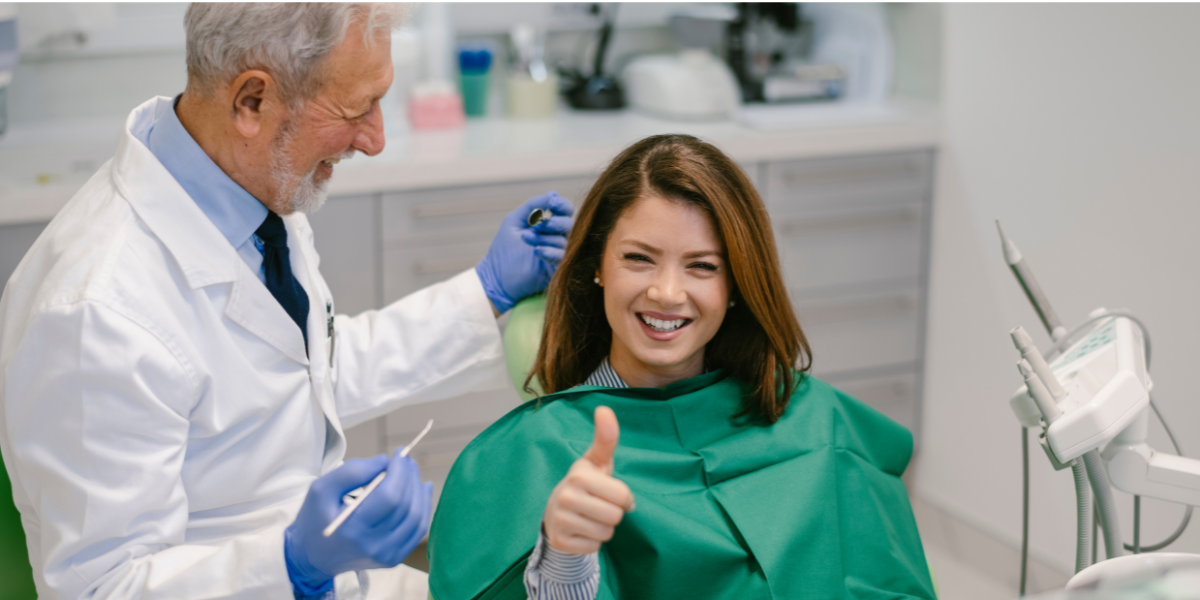
When surgery corrects a structural mismatch, the improvements can extend well beyond eating comfort. Many patients notice better jaw endurance, fewer flare-ups, and less daily awareness of their bite.
Long-term stability comes from aligning teeth and jaws into a position that reduces compensation. For people pursuing jaw surgery in Paramus, the aim is a bite that functions smoothly for years, not temporary relief.
Easier, More Comfortable Eating
After healing, meals often feel less tiring because the jaw does not need to fight for alignment. Patients frequently report reduced fatigue during longer meals and better tolerance for tougher foods.
With a stable bite, chewing efficiency often improves, and the jaw feels less “worked” at the end of the day. That improvement can be especially meaningful for anyone who has avoided certain foods due to fatigue.
Improved Jaw Health and Stability
Balanced mechanics can reduce long-term muscle tension patterns that feed pain and tightness. Many people experience less ongoing jaw muscle overuse because the bite closes evenly and predictably.
Reduced joint strain can also lower the chance of recurring discomfort tied to TMJ-related chewing pain. While every case is different, stability and balanced forces are key factors in long-term jaw comfort.
Paramus Orthodontics' Personalized Approach to Jaw Surgery & Chewing Fatigue Care

Chronic chewing fatigue deserves careful evaluation because it often involves both tooth alignment and jaw structure. At Paramus Orthodontics, patients receive guidance that connects symptoms to bite mechanics and practical solutions.
Our team supports a full range of care options, including orthodontics and surgically assisted orthodontics when needed. For patients considering orthognathic surgery in Paramus, we use advanced diagnostics and coordinated planning to support safe, predictable outcomes.
We evaluate each patient’s bite and symptoms with modern records, including digital scanning and 3D planning tools. That helps create a clear roadmap for jaw alignment treatment and sets expectations for comfort, function, and timing.
Collaboration is important when surgery is necessary. To ensure that orthodontic movement and jaw repositioning function as a cohesive plan, we collaborate closely with a skilled oral surgeon that Paramus patients trust.
Conclusion
If you feel worn out from chewing, it may be a sign that your bite and jaw structure are forcing constant compensation. Chronic chewing fatigue often links back to unstable tooth contact, misaligned jaws, or strain through the TMJ and facial muscles. For the right patient, corrective jaw surgery and orthognathic surgery can restore balance so chewing feels natural again.
If you are ready for answers, schedule a jaw surgery consultation in Paramus with Paramus Orthodontics. We will review your bite, discuss your symptoms, and map out the clearest path toward comfortable eating and long-term jaw stability.