Invisalign Pain Relief Guide for Patients in Paramus
Choosing a path to a straighter smile should feel exciting, not intimidating. With Invisalign, most patients experience a smooth start and steady progress without bulky hardware or frequent emergencies. That said, mild tenderness can pop up, especially with a new set of trays.
This guide explains why discomfort happens and how to calm it quickly. You will learn practical steps for day‑one comfort, smart daily habits, and when to call for help, all tailored for patients in Paramus. By the end, you will feel confident adjusting to aligners while protecting oral health and reducing teeth sensitivity with proven Invisalign pain relief tips.
Why Invisalign May Cause Discomfort
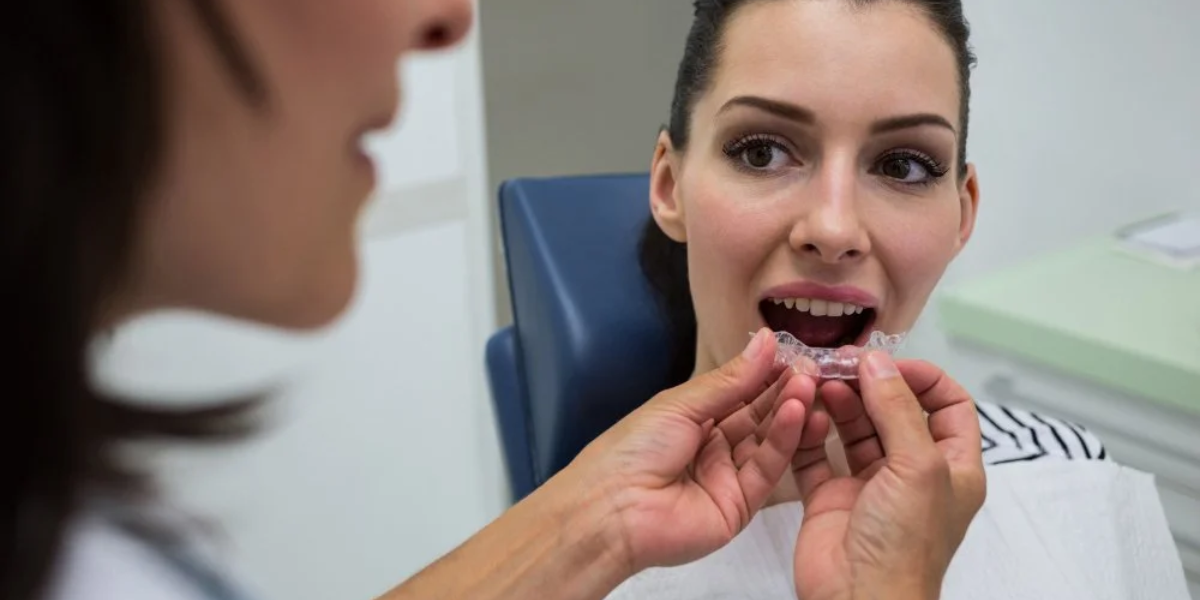
A little pressure means teeth are moving as planned. Knowing how Invisalign treatment works helps you interpret what you feel and respond with simple, effective relief.
How Invisalign Works
Clear aligners use controlled forces to guide teeth gradually, which is why brief tooth sensitivity can occur after a new set is placed. Each stage of Invisalign treatment advances your smile by small, planned increments. Precision attachments, gradual force levels, and digital planning support comfort while you are adjusting to aligners during the first days of a new tray.
Common Causes of Invisalign Pain
Mild soreness is common in the first 24 to 72 hours of a new tray, often described as sore teeth after Invisalign, that fades as the tray seats fully. Pressure points may come from snug edges or attachments, which can be resolved with simple Invisalign irritation solutions like wax or minor edge smoothing. Some patients feel temporary bite changes or clenching, which can contribute to light invisalign jaw discomfort while the mouth adapts. Short‑lived cheek or gum irritation is normal and improves once soft tissues adjust to the tray surfaces.
The Most Painful Stage of Invisalign
The first week is usually the steepest learning curve, and the first 24 to 48 hours after each tray change bring the most noticeable teeth sensitivity. This is the period when aligner forces feel new, so sore teeth after Invisalign switches are expected and typically mild. As staging progresses, your mouth becomes better at adjusting to aligners, so peaks in tenderness tend to shrink from tray to tray.
Immediate Pain Relief Techniques

Fast comfort comes from small habits that reduce inflammation and calm tissues. Combine these strategies for targeted Invisalign pain relief that fits your day.
Over-the-Counter Pain Relievers
Short courses of over-the-counter pain relief like ibuprofen or acetaminophen can ease soreness from sore teeth after Invisalign tray changes. These options support quick Invisalign pain relief without interfering with tooth movement when used as directed. If you have medical conditions or take other medications, ask a professional first, especially if teeth sensitivity lingers or worsens.
Cold Compresses
A soft ice pack wrapped in cloth, applied to cheeks for 10 to 15 minutes, reduces swelling and soothes tooth sensitivity. This simple step provides quick Invisalign pain relief during the first days of a new tray. It also helps calm irritated soft tissues that may be reacting to aligner edges, complementing other Invisalign irritation solutions.
Drink Cold Water
Cold water offers temporary numbing, which helps calm teeth sensitivity during the day. Many patients find chilled sips helpful after meals or when re‑seating trays for steady Invisalign pain relief. Skip chewing ice to avoid unnecessary pressure on moving teeth and to protect the aligner material.
Warm Saltwater Rinses
A warm saltwater rinse relaxes gum tissues and eases localized irritation, one of the gentlest Invisalign irritation solutions you can use at home. It supports healing around tender spots without adding chemicals or flavor agents that might bother tissues. This works well alongside cold therapy for balanced comfort and reduced teeth sensitivity.
Oral Anesthetics
Benzocaine or similar gels provide pinpoint invisible pain relief for sore gum areas. Use a small amount with a clean finger or cotton swab, focusing on soft tissues and avoiding the tray surface. These targeted Invisalign irritation solutions should be used sparingly, ideally just before sleep or short rest periods.
Aligner Management & Routine Adjustments for Pain Reduction

Small routine tweaks often deliver the biggest comfort gains. A thoughtful aligner switching schedule and healthy wear habits lower peaks in soreness.
Switch Aligners at Night
Starting a new tray before bedtime lets you sleep through the most intense hours of adjusting to aligners. This simple shift in your aligner switching schedule can reduce how much soreness you consciously feel. Many patients wake with trays already seated more fully, which translates to gentler mornings and easier Invisalign pain relief.
Use Aligner Chewies
Chewies help seat trays evenly, which reduces friction and hotspots that cause irritation. Better seating supports steady tracking, which can shorten the period of adjusting to aligners. This also minimizes rubbing on cheeks and gums, complementing other Invisalign irritation solutions for a smoother day.
Apply Orthodontic Wax
A small dot of wax on a sharp edge creates a protective barrier that calms sore spots quickly. This is one of the fastest Invisalign irritation solutions for minor abrasions on the cheeks or tongue. By reducing contact, you support day‑to‑day comfort and more consistent Invisalign pain relief.
Maintain Consistent Wear Time (The 22-Hour Rule)
Wearing aligners for 20 to 22 hours each day maintains steady forces, which reduces the adjustment period to them. Frequent removal stretches movement out and can increase teeth sensitivity, especially right after a new tray starts. A consistent routine pairs well with a predictable aligner switching schedule and helps your Invisalign treatment stay on track.
Use an Aligner Removal Tool
Removal tools reduce tugging on gums and nail slips that cause small injuries. This simple accessory is especially useful with tight first‑day trays while adjusting to aligners. Pairing a removal tool with wax and chewies rounds out your everyday Invisalign irritation solutions toolkit.
Dietary & Lifestyle Strategies for Comfort

What you eat and how you care for your mouth can make a big difference. These soft-care habits minimize teeth sensitivity and help trays feel better, faster.
Stick to Soft Foods During New Tray Days
Choose soups, yogurt, smoothies, scrambled eggs, and mashed potatoes during the first day or two of a new tray. Softer textures reduce chewing pressure on sore teeth after Invisalign changes and lower immediate teeth sensitivity. As tenderness fades, you can reintroduce your normal diet gradually while keeping trays in as directed for Invisalign treatment success.
Gently Massage Gums
Clean fingertips or a soft silicone massager can stimulate circulation and bring relief to tender areas. This light massage complements other Invisalign irritation solutions like wax and rinses. Many patients find it soothing before bedtime, which supports overnight Invisalign pain relief.
Avoid Hard, Crunchy, & Chewy Foods
Tough textures can stress moving teeth and irritate tissues, which increases teeth sensitivity. During the first 48 hours of a new tray, keep snacks gentle to support smoother adjusting to aligners. This helps trays settle and reduces the risk of superficial soft‑tissue nicks.
Maintain Excellent Oral Hygiene
A soft‑bristled brush and daily flossing reduce plaque buildup, which can aggravate teeth sensitivity. Clean trays and healthy gums also minimize irritation, one of the most effective yet overlooked Invisalign irritation solutions. Good hygiene habits pair perfectly with short, periodic saltwater rinses for ongoing comfort.
When Invisalign Pain Isn't Normal
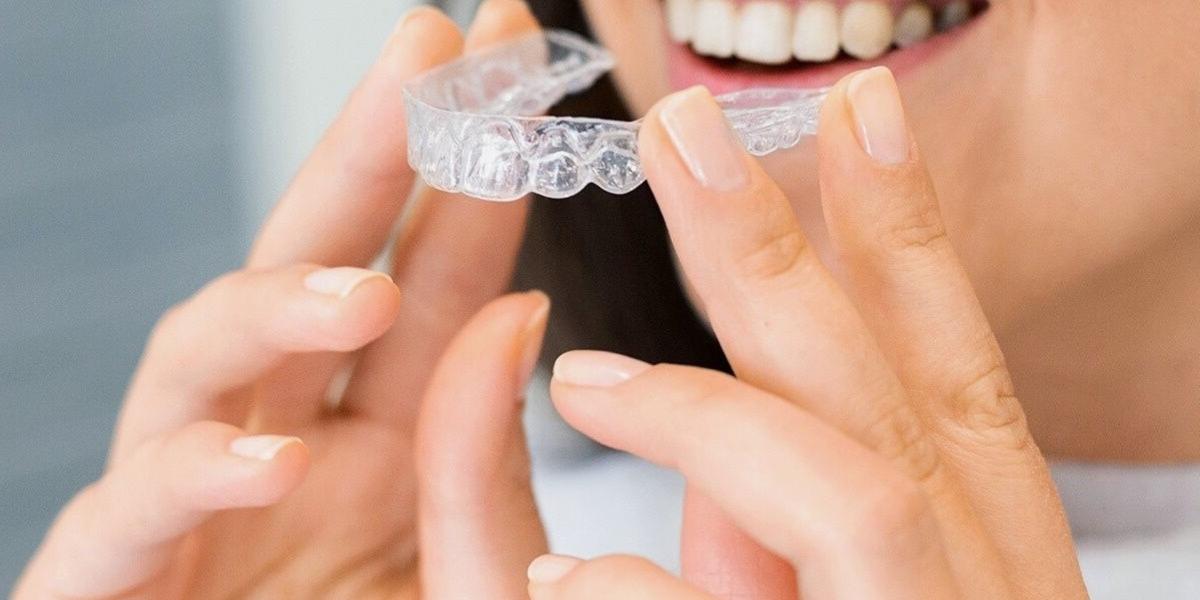
Discomfort that is sharp, persistent, or worsening needs attention. Early checks protect progress and keep your Invisalign treatment moving smoothly.
Warning Signs
Severe pain that lasts beyond three to four days or ramps up over time is not typical of sore teeth after Invisalign. A tooth that feels much looser than others, mouth ulcers that do not heal, or a tray that rocks can indicate tracking issues and heightened teeth sensitivity. Persistent clenching or headaches could reflect bite stress connected to Invisalign jaw discomfort.
When to Contact an Orthodontist in Paramus
If soreness feels out of proportion, a quick review can correct fit or staging before problems grow. Small adjustments often restore comfort and stabilize your Invisalign treatment plan quickly. Children and teens may struggle to describe symptoms clearly, so extra observation is helpful while they are adjusting to aligners.
Professional Pain-Relief Solutions from a Paramus Orthodontist
Expert support can solve stubborn trouble spots. Paramus specialists offer targeted care that improves comfort and performance from tray to tray.
Precision Aligner Adjustments
Polishing a rough edge or contouring a tight spot often resolves irritation within minutes. Verification with digital scans confirms proper seating and tracking, which reduces teeth sensitivity downstream. These chairside updates are among the most effective professional invisalign irritation solutions.
Customized Monitoring and Care
If tenderness lingers, your schedule can be adjusted for shorter or longer wear periods per stage. Personalized pacing keeps your Invisalign treatment effective while protecting comfort during adjusting to aligners. Targeted guidance on wax placement, chewies, and removal tools rounds out your plan.
Advanced Expertise for Complex Cases
Crowding, crossbites, deep bites, and open bites can create bite stress that contributes to Invisalign jaw discomfort. Correcting these patterns distributes forces more evenly for better long‑term comfort during Invisalign treatment. With careful diagnostics and stepwise staging, even challenging cases can feel manageable.
Paramus Orthodontics' Commitment to Comfortable Invisalign Care
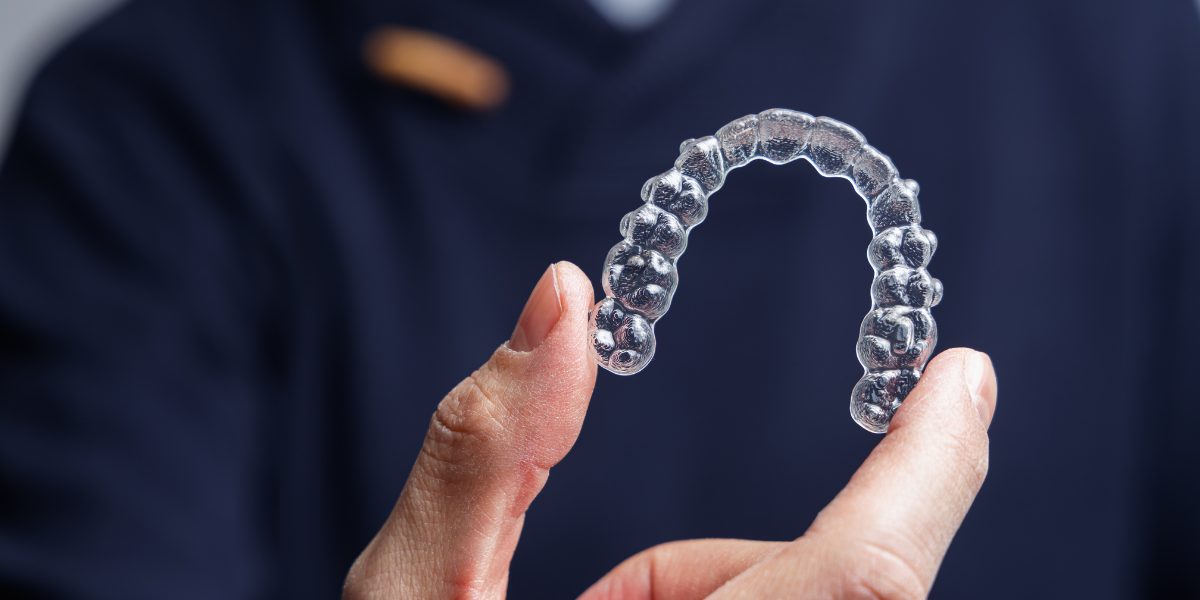
Paramus Orthodontics puts your comfort first from the initial consultation to the final refinements. Our team offers clear guidance on daily habits, diet, and simple Invisalign pain relief steps so you feel supported while adjusting to aligners. Regular check-ins keep progress steady and help you stay confident through each tray change.
Our personalized planning uses digital scanning, 3D treatment mapping, and thorough bite assessment to craft aligners that fit precisely. This accuracy promotes smooth tracking, reduces teeth sensitivity, and shortens the learning curve between trays.
We care for children, teens, and adults with the same attentive approach. You receive practical tips for seating trays, using wax, and managing soft-tissue hotspots, along with timely feedback if anything feels off.
Whether you need clear aligners, braces, palate expanders, or comprehensive orthodontic care, our commitment is the same: comfortable, effective treatment tailored to your smile. If a minor timing tweak or aligner switching schedule adjustment would improve comfort, we will act quickly so you stay on track.
Conclusion
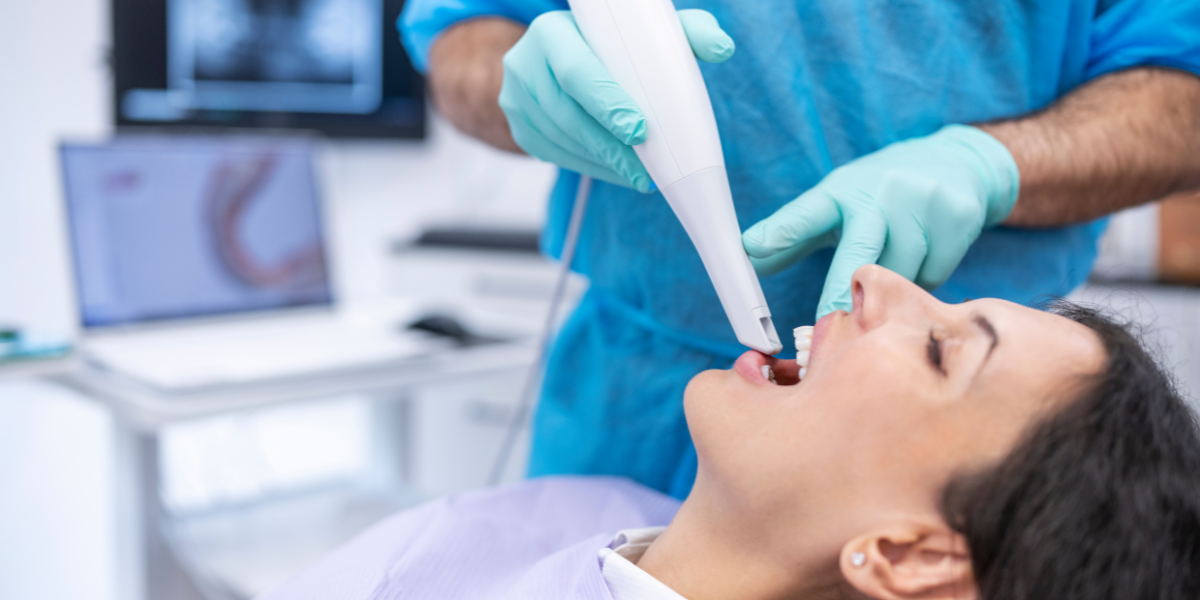
Brief soreness during Invisalign treatment is common, short-lived, and manageable. With smart daily habits, timely Invisalign pain relief, and attention to hygiene, adjusting to aligners becomes predictable, and teeth sensitivity fades as trays track correctly.
Ready for personalized guidance and a calmer path forward in Paramus? Schedule a visit with Paramus Orthodontics for expert insight and a friendly plan that keeps comfort front and center. Book your consultation today and take the next step toward a confident, healthy smile.
Frequently Asked Questions About Invisalign Pain
Common concerns have clear answers. Use these quick explanations to navigate new-tray days with confidence and steady comfort.
How do I get relief from Invisalign pain?
We recommend a simple combo: cold compresses, chilled water, soft foods, and short-course over-the-counter pain relief, plus wax and chewies for hot spots. Our team will show you quick Invisalign irritation solutions that fit your daily routine.
What is the 22-hour rule for Invisalign?
Wear aligners 20 to 22 hours daily to keep tooth movement steady and minimize tenderness. We coach you on a realistic schedule that supports comfort and consistent progress.
What is the best painkiller for Invisalign pain?
Ibuprofen helps with inflammation, while acetaminophen works for general soreness. We guide you on safe, short-term use that supports relief without masking issues that need our attention.
Will Invisalign pain go away?
Yes, mild soreness usually fades within one to three days with each new tray. We help you smooth out those first days so you can stay comfortable and on track.
What is the most painful stage of Invisalign?
The first week and the first 24 to 48 hours after switching trays are typically the most tender. We plan around those peaks with smart timing and comfort strategies.
Can I take paracetamol for Invisalign pain?
Yes, paracetamol is a reliable option when used as directed. We can confirm the best choice for your medical history and coordinate with your physician if needed.
Can I use numbing cream with Invisalign?
Yes, apply a small amount to gums only, not the aligners, for short-term relief. We will point out safe application spots during your visit and suggest alternatives if irritation persists.