7 Common Orthodontic Conditions and How Treatment Helps
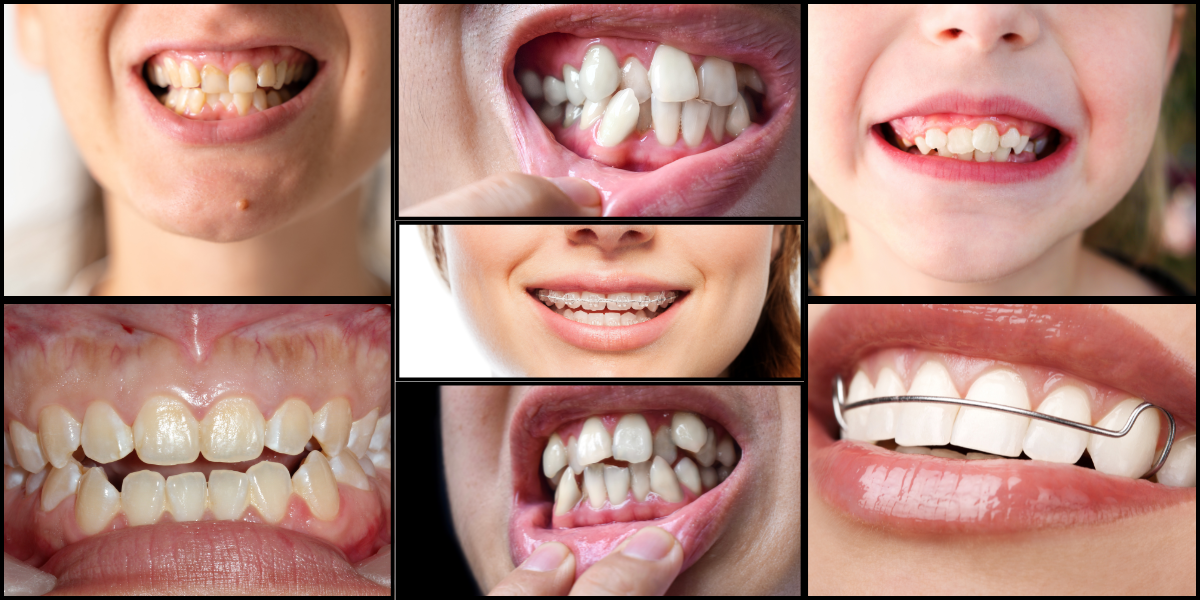
Orthodontic health affects how you chew, speak, and clean your teeth, plus how you feel when you smile. Many people endure minor bite problems for years before realizing their connection to headaches, jaw tension, or uneven tooth wear. Others notice changes quickly, like new crowding or spacing that shows up in photos.
This article breaks down common orthodontic problems and connects each one to realistic treatment options. You will also learn how thoughtful planning and modern tools support comfortable results through orthodontic care Paramus families can count on.
1. Dental Crowding
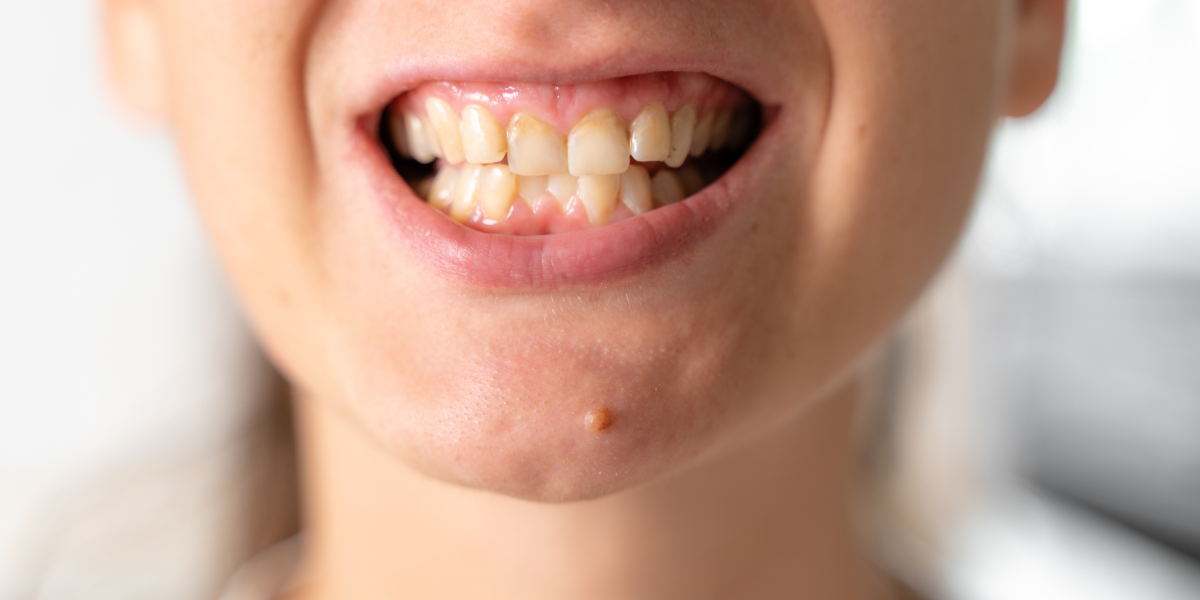
When there isn't enough room in the jaw for teeth to come in and line up correctly, crowding happens. One of the main reasons people look into orthodontic treatment in Paramus is because cleaning their teeth feels like a daily battle.
When teeth overlap, plaque hides in tight areas, and routine brushing becomes less effective. Crowding can also change how teeth meet, which may lead to uneven wear.
Signs & Risks of Crowding
Overlapping or rotated teeth are common signs, and they often show up as visible crooked teeth alignment that gradually gets worse.
Crowding can make flossing frustrating, raising the risk of decay and gum inflammation, which is why steady orthodontic care for Paramus patients is important for their long-term health.
Treatment Options for Crowding
For growing kids, expanders can create space by widening the upper jaw and improving the foundation for alignment.
In severe cases, extractions may be recommended to relieve tight spacing and support stable results.
Many patients choose braces treatment. Paramus practices provide clear aligners. Paramus patients prefer a lower-profile look, depending on crowding severity and lifestyle.
2. Spacing Issues
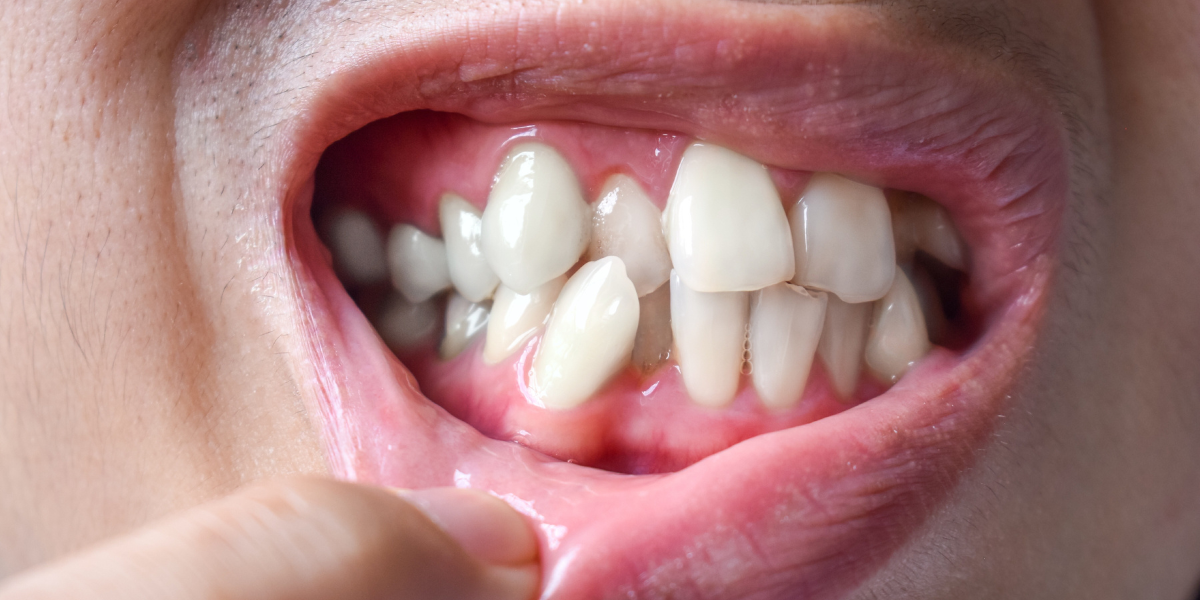
Spacing refers to gaps between teeth caused by genetics, missing teeth, or oral habits. Some people like the look of small spaces, but wider gaps can affect bite functions and encourage teeth to drift.
When spacing is tied to missing teeth, planning becomes especially important because bite stability often depends on coordinated orthodontic and restorative care.
Causes of Spacing Problems
When teeth are missing or too small, there may be extra space, and in some cases, this movement can cause jaw alignment problems over time.
Habits like thumb-sucking or tongue thrusting can push teeth forward, creating gaps that an orthodontist Paramus patients trust can spot and address early.
How Orthodontic Treatment Helps
Orthodontic treatment can close gaps and help teeth touch each other in a healthier way with braces or aligners. The offices in Paramus are set up to handle each case.
If the spacing is caused by a missing tooth, the plan may include bonding or an implant after the teeth are straightened so that the spacing and bite feel normal.
When multiple providers are involved, coordinated care with an orthodontist Paramus patients work with helps keep timing and results predictable.
3. Overbite (Deep Bite)
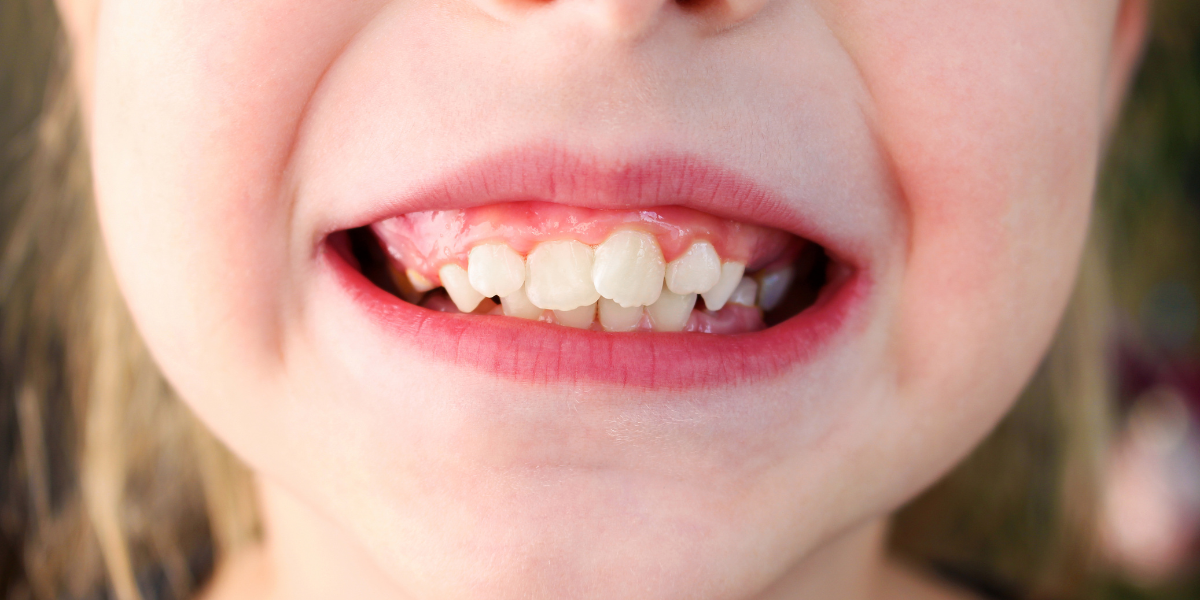
An overbite is the vertical overlap of the upper front teeth over the lower front teeth. A mild overbite is normal, but a deep bite can lead to recurring bite correction issues if the lower teeth contact the palate or if pressure concentrates in the wrong areas.
The goal of treatment is to make the bite even so that the teeth meet evenly and the jaw joints aren't always under stress.
Problems Associated with Overbite
Deep bites can cause accelerated wear and enamel damage, especially on the lower front teeth, which is a common result of ongoing bite correction issues.
Some patients feel jaw discomfort or tension headaches, sometimes linked to underlying jaw alignment problems that flare up when the bite is out of balance.
Bite Correction Treatment Options
Braces or aligners can be paired with elastics, bite turbos, or bite plates to open the bite gradually as part of a structured bite correction treatment plan.
For severe skeletal cases, surgical orthodontics may be recommended, particularly when seeking comprehensive adult orthodontic care with stable long-term results.
The best results come from a plan that takes your bite into account and is given through orthodontic care that Paramus patients can trust.
4. Underbite
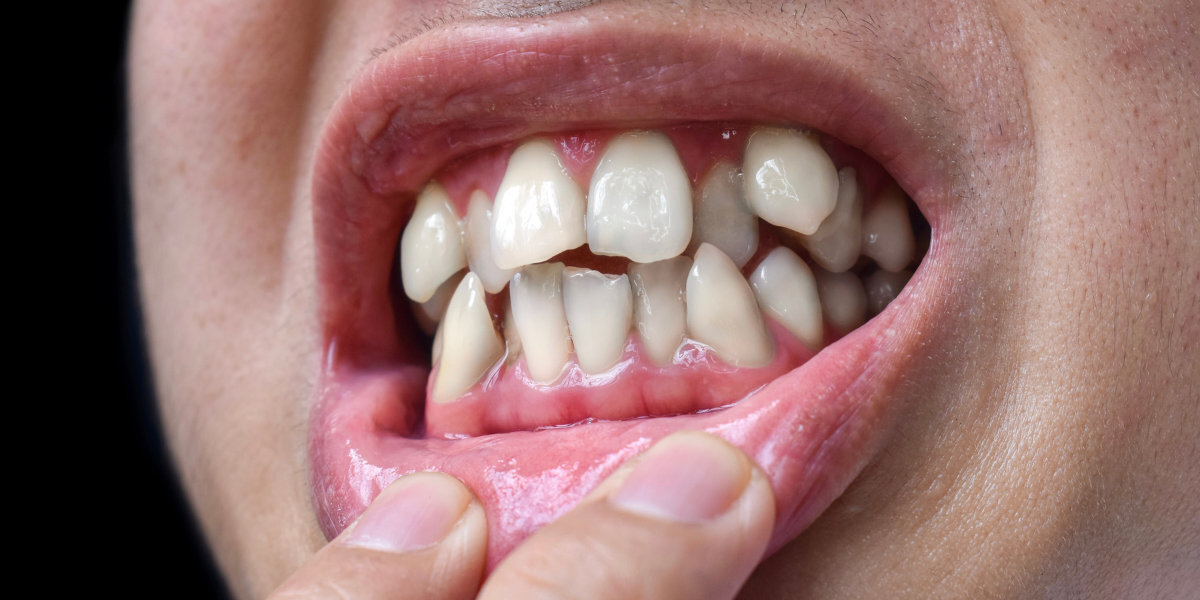
An underbite occurs when the lower teeth sit in front of the upper teeth, often because the lower jaw is positioned forward. It is a classic example of jaw alignment problems that can affect chewing, speech clarity, and facial balance.
Since growth plays a big role, timing has a major impact on treatment options.
Early vs. Adult Underbite Treatment
For children, headgear or expanders can guide jaw development, particularly when treatment begins after an early orthodontic evaluation has identified the growth pattern.
Teens may benefit from braces with rubber bands to improve the bite relationship as growth continues.
Adults with significant skeletal discrepancies may need jaw surgery combined with orthodontics, which is a common pathway within advanced adult orthodontic care.
Importance of Early Orthodontic Evaluation
Underbites can be harder to correct after growth is complete, so an early orthodontic evaluation helps families understand what can be guided early versus corrected later.
Pediatric screening can reduce the chance of future surgery and can simplify later treatment by improving jaw relationships early, which is why pediatric orthodontics Paramus families seek often starts with a simple screening visit.
5. Crossbite
A crossbite means one or more upper teeth bite inside the lower teeth. It can affect the front teeth, the back teeth, or both, and it often leads to uneven wear and shifting that worsens jaw alignment problems.
Crossbites can be dental, skeletal, or a mix of the two, so diagnosis matters.
Risks of Leaving a Crossbite Untreated
Uneven tooth wear is common because bite forces hit at the wrong angles, a frequent outcome of persistent bite correction issues.
Asymmetrical jaw growth can happen in kids if one side of the bite locks, which can complicate future correction and highlights the value of timely orthodontic care Paramus families can access.
Orthodontic Solutions
Children often respond well to palatal expanders that widen the upper jaw and help unlock the bite.
Teens and adults may correct many crossbites with braces treatment Paramus providers offer or clear aligners Paramus patients choose, depending on the movement needed.
Digital scans and 3D planning can improve precision so tooth movement stays efficient and controlled.
6. Open Bite
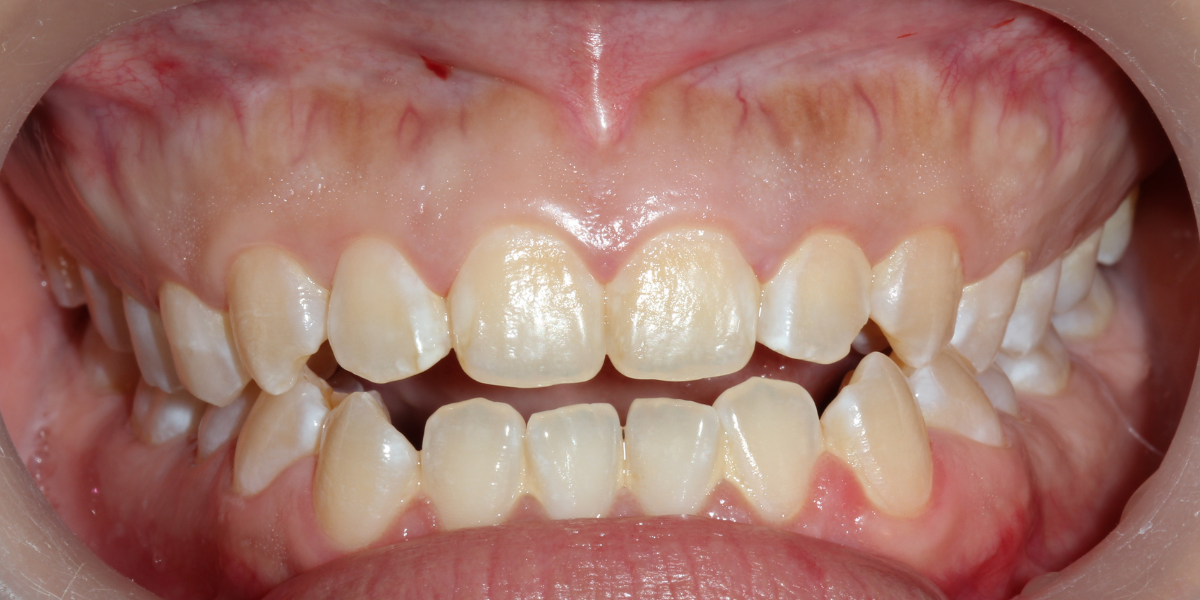
When you bite down and your front teeth don't touch, that's an open bite. It can make it hard to bite food and change how some sounds are made, especially those that depend on the tongue being near the front teeth.
Open bites often have habit-related or skeletal causes, so treatment needs to match the source of the problem.
Causes of Open Bite
Thumb sucking can prevent the front teeth from erupting in the right position and alter bite development.
Tongue thrusting can keep pressure on the front teeth, keeping the space open even after teeth move.
Skeletal growth patterns can lead to vertical discrepancies associated with jaw alignment issues. Early orthodontic evaluations often identify these issues.
Treatment Approaches
Habit appliances like tongue cribs can help retrain patterns that keep the bite open, improving long-term stability for bite correction treatment.
Braces or aligners can close the bite by guiding eruption and controlling vertical movement, including options like clear aligners. Paramus patients may prefer a discreet look. Early assessment can reduce the chance that an open bite becomes a complex adult correction.
7. Overjet (Protrusion)
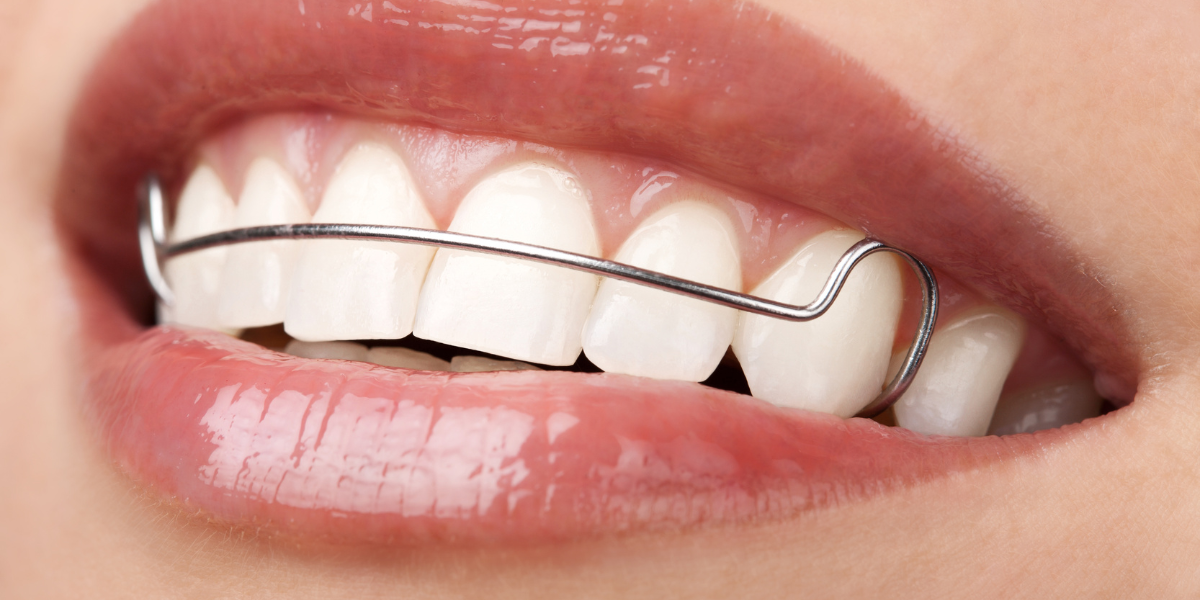
Overjet refers to upper front teeth that protrude too far forward relative to the lower teeth. It can be related to habits, tooth positioning, or skeletal jaw relationships, and it is a common concern among orthodontic conditions that Paramus patients notice in photos.
Because protruding teeth are more exposed, overjet can raise the risk of injury in sports or everyday accidents.
How Overjet Affects Oral Health
Protruding front teeth have a higher chance of chipping or breaking, especially in active kids and teens, which is a practical consequence of untreated bite correction issues.
Some people experience lip strain and trouble resting their lips comfortably, which can reflect bite imbalance and, at times, broader jaw alignment problems.
Orthodontic Treatment Options
Many cases respond well to either braces provided by Paramus practices or aligners, depending on the required amount of movement and bite control.
Elastics or headgear may be used when the bite needs correction beyond simple alignment, supporting a complete bite correction treatment plan. With a solid plan, results can improve protection, comfort, and appearance.
How Orthodontic Treatment Helps Overall Health
Orthodontic treatment supports function, comfort, and long-term dental stability. When teeth fit together properly, everyday tasks like chewing and cleaning often feel easier.
Benefits often include:
Better chewing and clearer speech after targeted orthodontic treatment, Paramus providers design for your bite.
Easier brushing and flossing once alignment improves, reducing plaque retention and gum irritation.
Improved facial balance and reduced strain for some patients with jaw alignment problems.
For patients dealing with recurring headaches, tooth wear, or bite discomfort, comprehensive orthodontic care Paramus families seek can help reduce issues that build over time.
Why Choose Paramus Orthodontics for Your Care
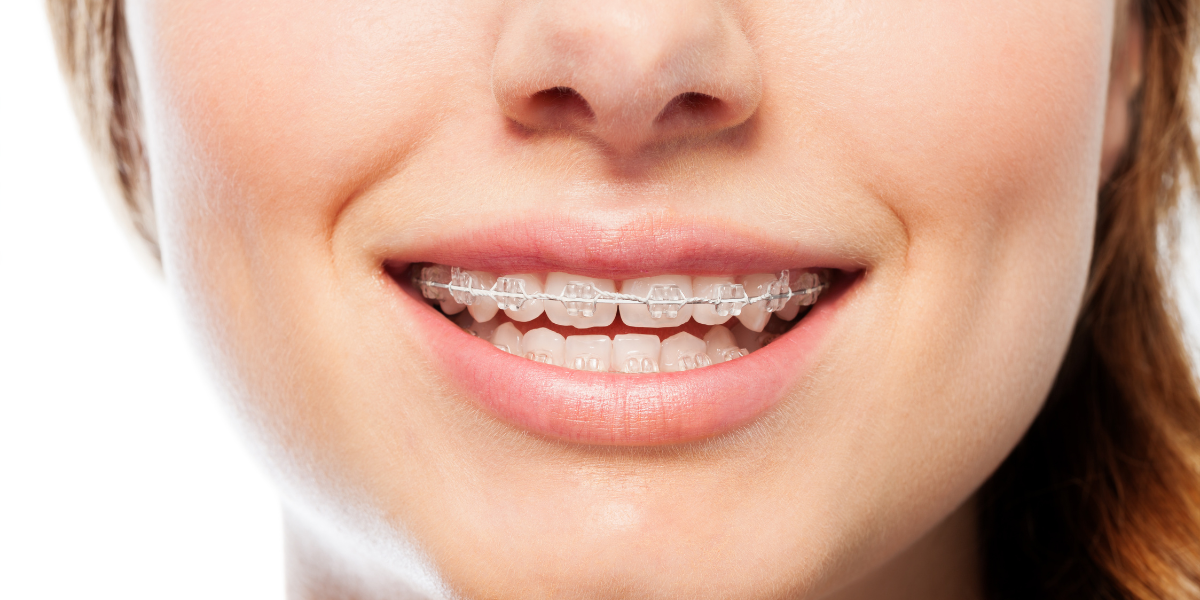
Choosing the right orthodontic team matters because diagnosis and planning guide comfort, efficiency, and stability. A practice that offers multiple approaches can match the solution to your needs rather than forcing one path.
If you are looking for an orthodontist Paramus residents recommend, start with a team that explains options clearly and builds a plan around your goals.
Our Personalized Approach
Each patient begins with an orthodontic consultation that evaluates teeth, bite, and facial structure using modern records and clear explanations.
From there, we build custom plans for kids, teens, and adults, which is a core part of orthodontic care that Paramus patients appreciate.
Advanced Technology & Compassionate Care
Digital scanning and 3D treatment planning improve comfort and accuracy, helping guide efficient tooth movement and address complex bite correction issues.
Supportive, patient-centered visits help reduce stress and keep treatment moving for families and adults pursuing confident, consistent progress.
Conclusion
Crowding, spacing, overbites, underbites, crossbites, open bites, and overjet are all treatable with the right diagnosis and plan. When bite and alignment improve, you can often feel the difference in comfort, hygiene, and confidence. If you suspect you or your child may have one of these concerns, a professional evaluation can clarify what is going on and what options fit your goals.
Book an appointment with Paramus Orthodontics for a personalized orthodontic consultation, and get a clear treatment plan built around your smile.
Frequently Asked Questions About Orthodontic Care
People often have quick questions when they start exploring treatment. Here are straightforward answers to help you understand what orthodontists handle and what your next step could look like.
What Conditions Do Orthodontists Treat?
Orthodontists treat common orthodontic problems like crowding, spacing, and crooked teeth alignment, plus bite correction issues and some jaw alignment problems. We evaluate your bite and goals and recommend a plan that fits your timeline and comfort level.
What Is the Most Common Orthodontic Treatment?
Braces remain a top option, and many patients also choose clear aligners Paramus providers offer for a discreet approach. We walk you through braces and aligner options so our plan matches your lifestyle and needs.
What Are the Most Common Orthodontic Problems?
Crowding, spacing, overbites, underbites, crossbites, and overjet are some of the most frequent orthodontic conditions Paramus patients ask about. We help you understand what is driving your symptoms and which fix is most predictable.
Is $8,000 Too Much for Invisalign?
It depends on complexity, treatment length, and what is included, which is why pricing is best discussed during an orthodontic consultation. We review your case, explain costs clearly, and share payment options and alternatives if needed.